Across North Carolina, chimney swifts spend the summer on the wing, filling the evening air before spiraling home at dusk.
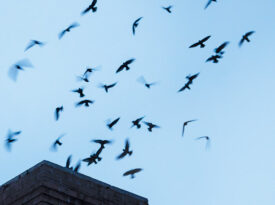



Across North Carolina, chimney swifts spend the summer on the wing, filling the evening air before spiraling home at dusk.
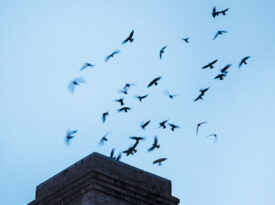
In this episode, Dr. Eleanor Spicer Rice learns about the birds that seemingly swim through the skies and the way they depend on humans to survive.

Surfer and waterman Pat O’Neal knows the difference between a good ride and a great one, and why the waves off Hatteras hold their power longer than anywhere else on the East Coast.
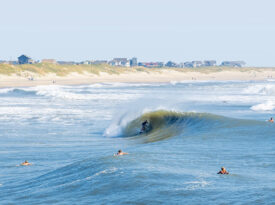
On the easternmost edge of North Carolina’s Outer Banks, the waves off Hatteras hold their power longer than anywhere else on the East Coast. In this episode, Dr. Eleanor Spicer Rice meets surfer and waterman Pat O’Neal, who helps her understand this natural phenomenon and the fun and fury the tides bring.
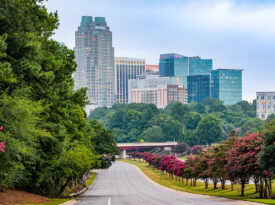
Our state’s largest urban park doubles as an ideal launchpad to explore the capital city’s museums, local vendors, and acclaimed dining scene.
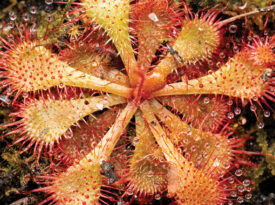
North Carolina is home to more than half of the nation’s meat-hungry plants. In the Sandhills Gameland, Dr. Eleanor Spicer Rice learns more about how these green assassins survive — and thrive — across our state’s landscapes.
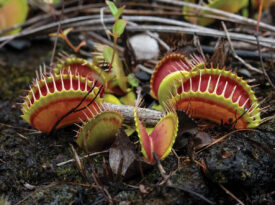
In North Carolina’s wetlands and swamps, delicate flowers conceal deadly appetites.
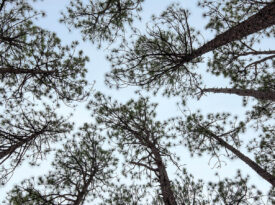
In Weymouth Woods, and in other mature forests beyond the Sandhills, we find trees that offer a lesson in coexistence.
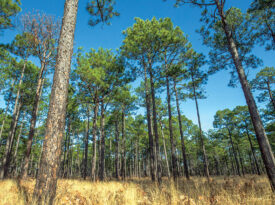
While nature might seem competitive, mature pine forests offer a lesson in coexistence — a natural phenomenon known as crown shyness.