William Ivey can tell you most anything you’d want to know about longrifles, or pottery in the Seagrove tradition, or antique furniture crafted in Randolph County. What he values most about the individual pieces he’s collected over the years, however, are the personal histories they carry.
About Face: Catawba Valley Pottery
The first time Diane Aurit encountered Catawba Valley face jugs, she was not impressed. But today, dozens of the quirky creations fill her office and bring a smile to her face.
Acres of Antiques
Vito and Mary Ellen Sico started out buying antiques to furnish their first home. Their collection grew into a business, and today it’s the inspiration for the Liberty Antiques Festival, a twice-a-year event that attracts hundreds of vendors and thousands of shoppers from nearly two dozen states.
Holding on to Americana
William McNeill collects handheld fans. He has gathered them from churches and funeral homes and businesses of all kinds. And he has the history that goes with them.
How Fulgurite Forms When Lightning Hits Sand
Most people don’t notice the gray lumps. They look like concrete leftovers, not particularly attractive, even for a rock. But Phil Greene sees something more as he walks the beach along Corolla. When he picks up fulgurite, he’s holding petrified energy. And that’s worth holding on to.
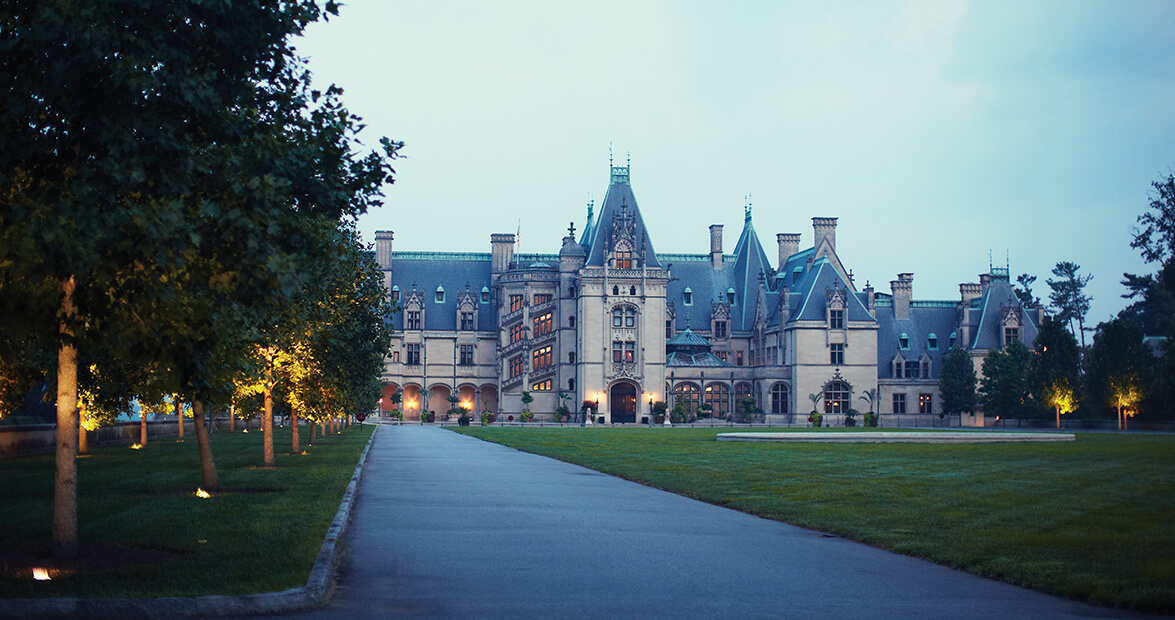
A Behind-the-Scenes Visit to Biltmore
A behind-the-scenes visit to North Carolina’s grandest home reveals more than the inner workings of a mansion. Four tours illuminate the inner beauty of a bachelor turned family man.
The Women of the Reynolda House
Reynolda House was the realization of Katharine Smith Reynolds's vision. But as the care of the home passed into her daughter's and then granddaughter's hands, each woman added her indelible mark to the iconic estate.
Tarboro Tradition: Coolmore Plantation
Coolmore Plantation is both a mansion and a museum. But to Joe Spiers, who lives here with his wife, Janet, it is both a connection to his family’s history and a structure that symbolizes his own endurance and strength.
The Story of the Greensboro Four and the Sit-In Movement
When four young men took their seats at a lunch counter more than 60 years ago, they had no intentions of leaving and no idea what would happen. Such a simple act, denied them for so long, reignited the civil rights movement throughout the South. Today, the lunch counter and the seats are preserved at the same South Elm Street location in Greensboro as part of the International Civil Rights Center and Museum, giving all of us the chance to experience North Carolina’s place in the movement toward equality.