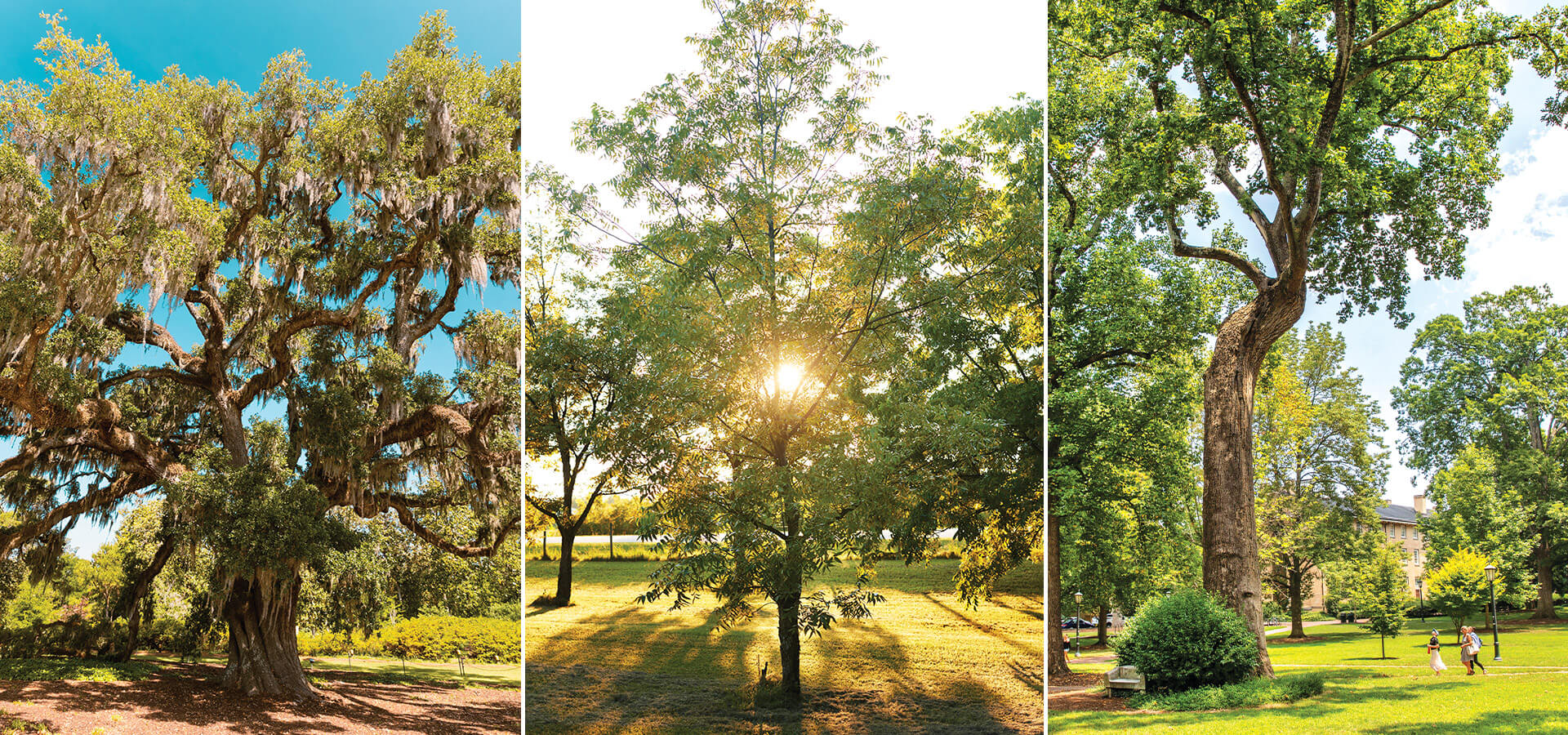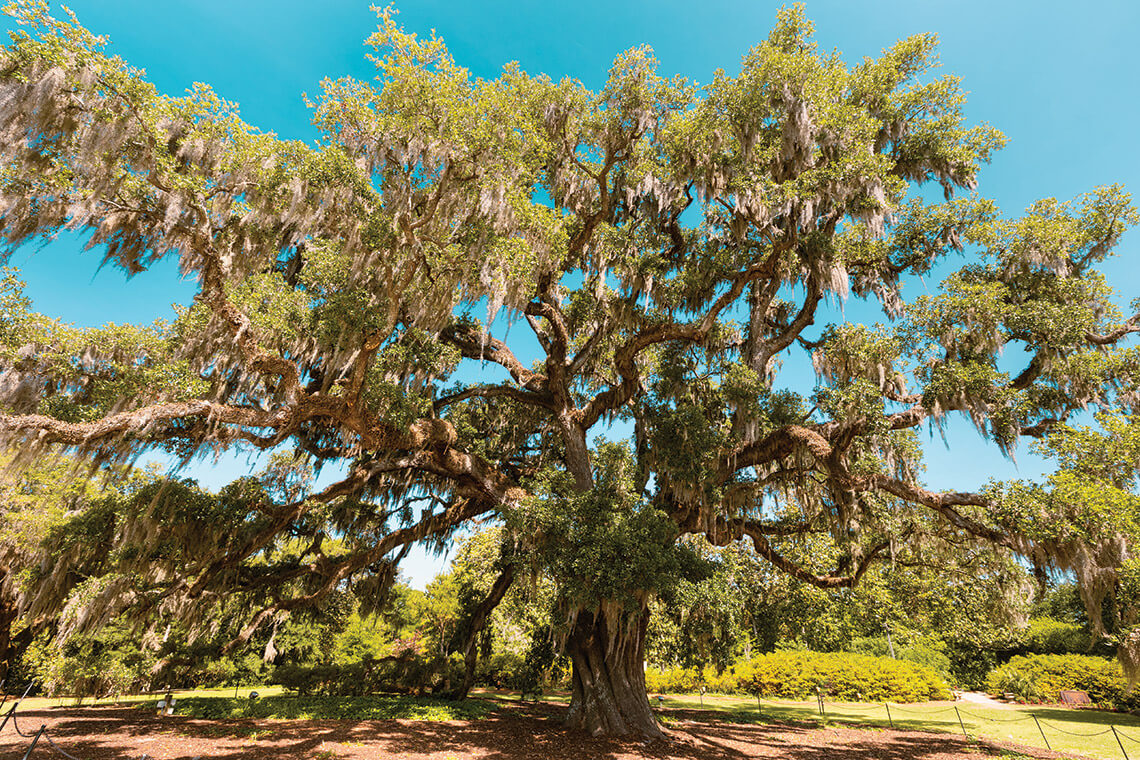
At 128 feet tall and 21 feet around, the nearly-500-year-old Airlie Oak is the largest live oak in the state. photograph by Matt Ray Photography
photograph by Irina Silayeva - stock.adobe.com
Live Oak
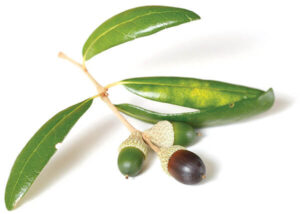
With its wide, sprawling branches often draped with Spanish moss, the live oak is one of the South’s most iconic trees. This species stays green year-round, creating shaded havens beneath their behemoth canopies — perfect for cooling off the coastal region where they thrive. Find our most iconic specimen — the Airlie Oak — in Wilmington’s Airlie Gardens. Dating to 1545, the magnificent tree is so beloved that many visitors donate money specifically for its care.
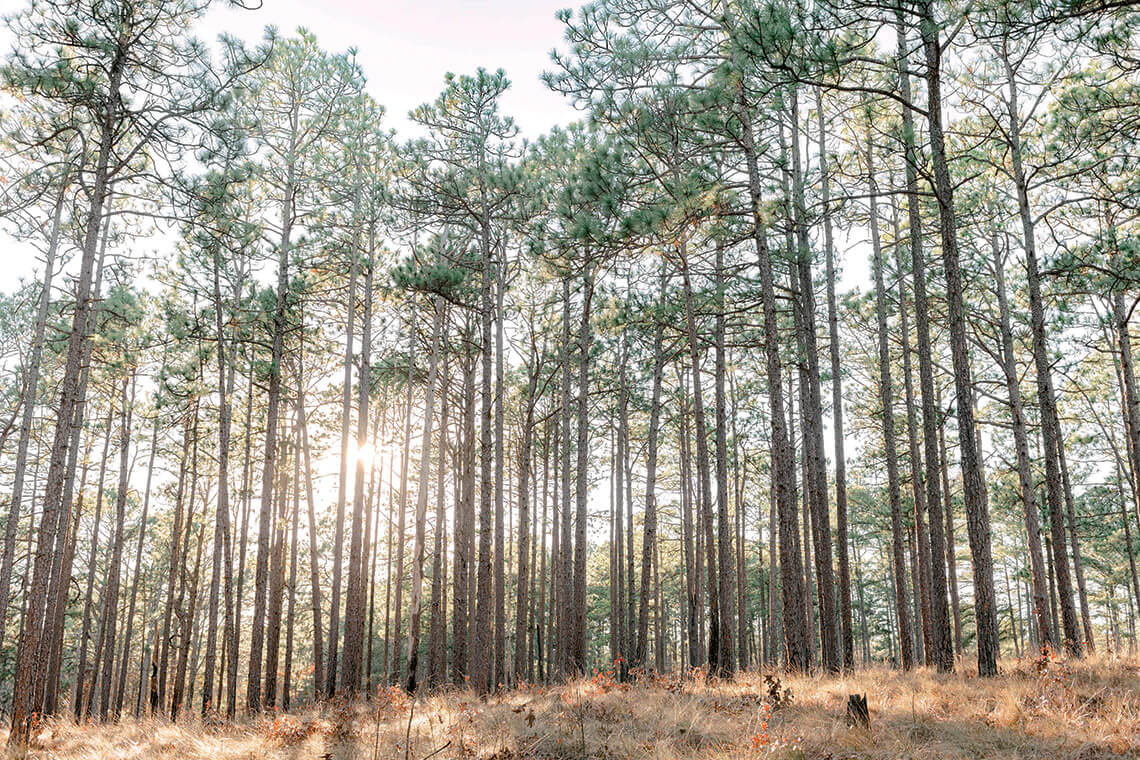
Weymouth Woods is home to many towering pines. The oldest, a longleaf, dates back to 1548. photograph by Faith Teasley
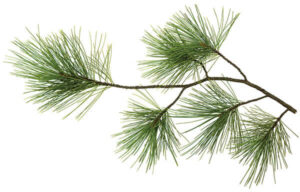
photograph by undefined undefined/iStock/Getty Images Plus
Longleaf Pine
North Carolina is the only state that has an official toast. Its opening words? Here’s to the land of the long leaf pine … Hailing from Southern soil, the longleaf has been well-championed in North Carolina. The pine once covered 90 million acres along the nation’s southeastern Coastal Plain. It even inspired North Carolina’s Tar Heel moniker due to the messy liquid it produces when burned, which is used worldwide for naval supplies. Today, the trees have retained their significance but not their land coverage — the huge pine savannas that once covered our Sandhills have dwindled to small pockets of trees. But you can still wander through some of the oldest longleaf pines in the world at Weymouth Woods Sandhills Nature Preserve in Southern Pines.
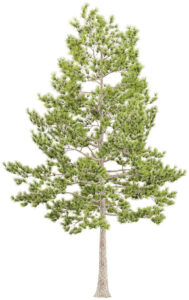
photograph by Fouzia - stock.adobe.com
Loblolly Pine
Our state tree may be a pine, but the species isn’t specified, and while we’ve long waxed poetic about the longleaf, the loblolly is the pine you’re most likely to find in your own backyard. This fast-growing giant — one of the most abundant trees in the state — thrives across our coastal regions and Piedmont, shaping our timber industry and landscape. We think it has earned its rightful place in the spotlight.
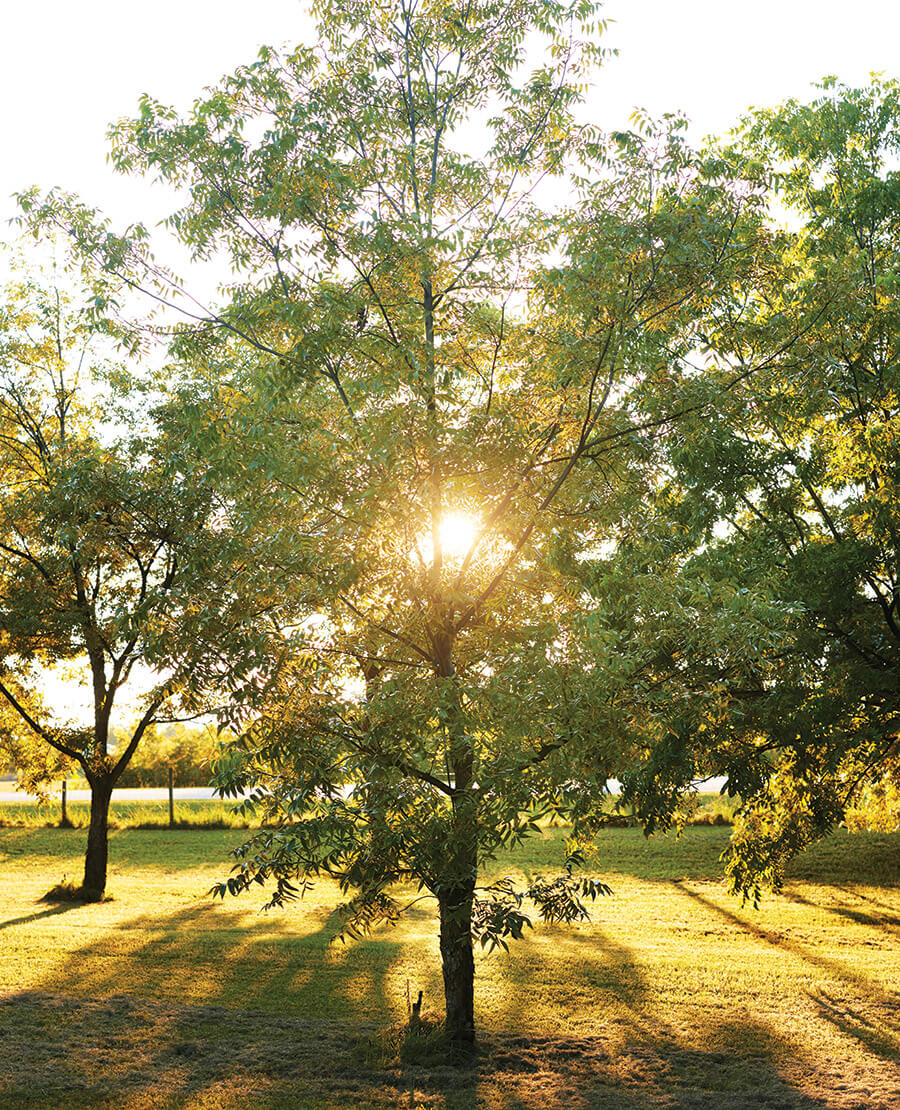
1,500 pecan trees fill the orchard at Lakeview Pecans in Bailey. photograph by Alex Boerner
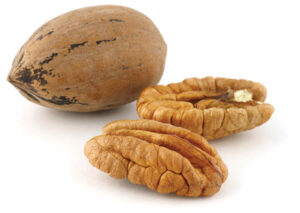
photograph by duckycards/E+/Getty Images
Pecan
No matter how you say it, it’s delicious. Each autumn, this tree with a hardy trunk and a shady canopy drops rich, buttery nuts snuggled tightly in tough brown shells. Our Coastal Plain boasts a robust pecan industry, where a full harvest can yield 5 to 6 million pounds. Generations of eastern North Carolinians have knelt beneath the trees’ branches, filled pockets and buckets, then cracked the nut on porch rails or kitchen counters — perhaps sneaking a bite before they were folded into a pie.
photograph by DNY59/iStock/Getty Images Plus, 2ndLookGraphics/iStock/Getty Images Plus
Sweetgum
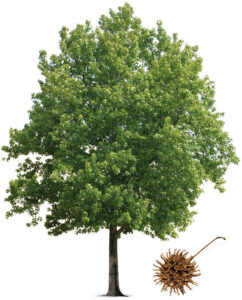
With star-shaped leaves that blaze a vibrant red, purple, yellow, or orange in the fall, the sweetgum is a beautiful tree native to the Carolinas. But for all its visual splendor, everybody knows the sweetgum’s slightly obnoxious calling card: its spiky seed pods — or gumballs — which tumble across sidewalks and lawns, creating hazards for bare feet.
photograph by Box - stock.adobe.com
Shagbark Hickory
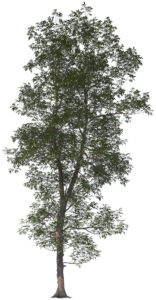
The shaggy, peeling bark of this hardwood tree makes a humble first impression — but beneath its rough exterior grows one of the toughest, most reliable woods in the country. Making up a large part of the North Carolina lumber industry, its durability is paired with a grain that stains well, making it a favorite for items that require hardiness and strength, like furniture, flooring, and tool handles.
photograph by Antagain/iStock/Getty Images Plus
Red Spruce
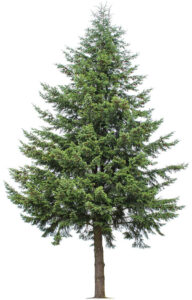
Native, ancient spruce forests — which first emerged after the last ice age but have grown scarce because of logging and burning — are being restored thanks to conservation efforts in the Southern Blue Ridge Mountains. The evergreen’s scaly bark and close-growing needles are a vital part of high-elevation Appalachian ecosystems, making its survival crucial for many animals, including the endangered Carolina northern flying squirrel. Today, stands of spruce-fir forests cover parts of Roan and Grandfather mountains.
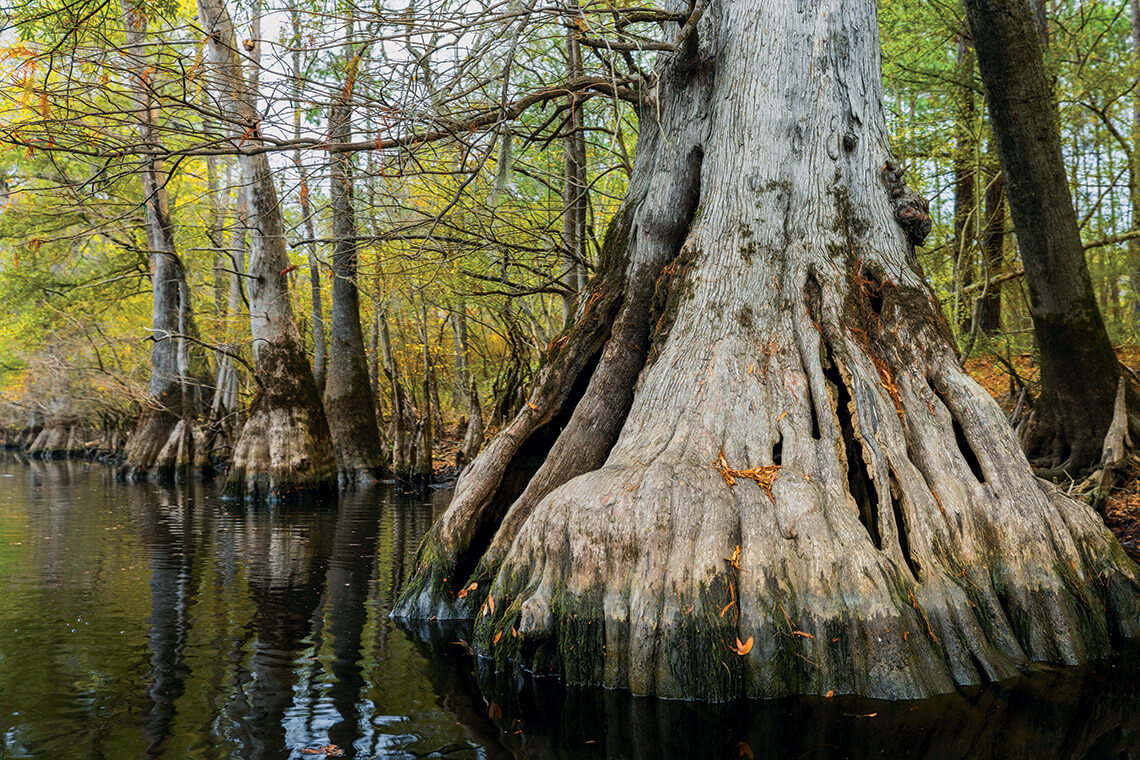
The Black River Preserve is home to some of the oldest trees east of the Mississippi River. photograph by Neil Jernigan
Bald Cypress
The knobby knees of some of the oldest known trees in the world rise out of the onyx-colored waters of the Black River. In Three Sisters Swamp, an ancient old-growth forest of bald cypresses thrives in the modern age. For decades, the patriarch was thought to be BLK69, commonly referred to as Methuselah, which has been dated to 364 A.D. But two trees have been found that eclipse it in age, at more than 2,000 years old, and experts believe there are more.
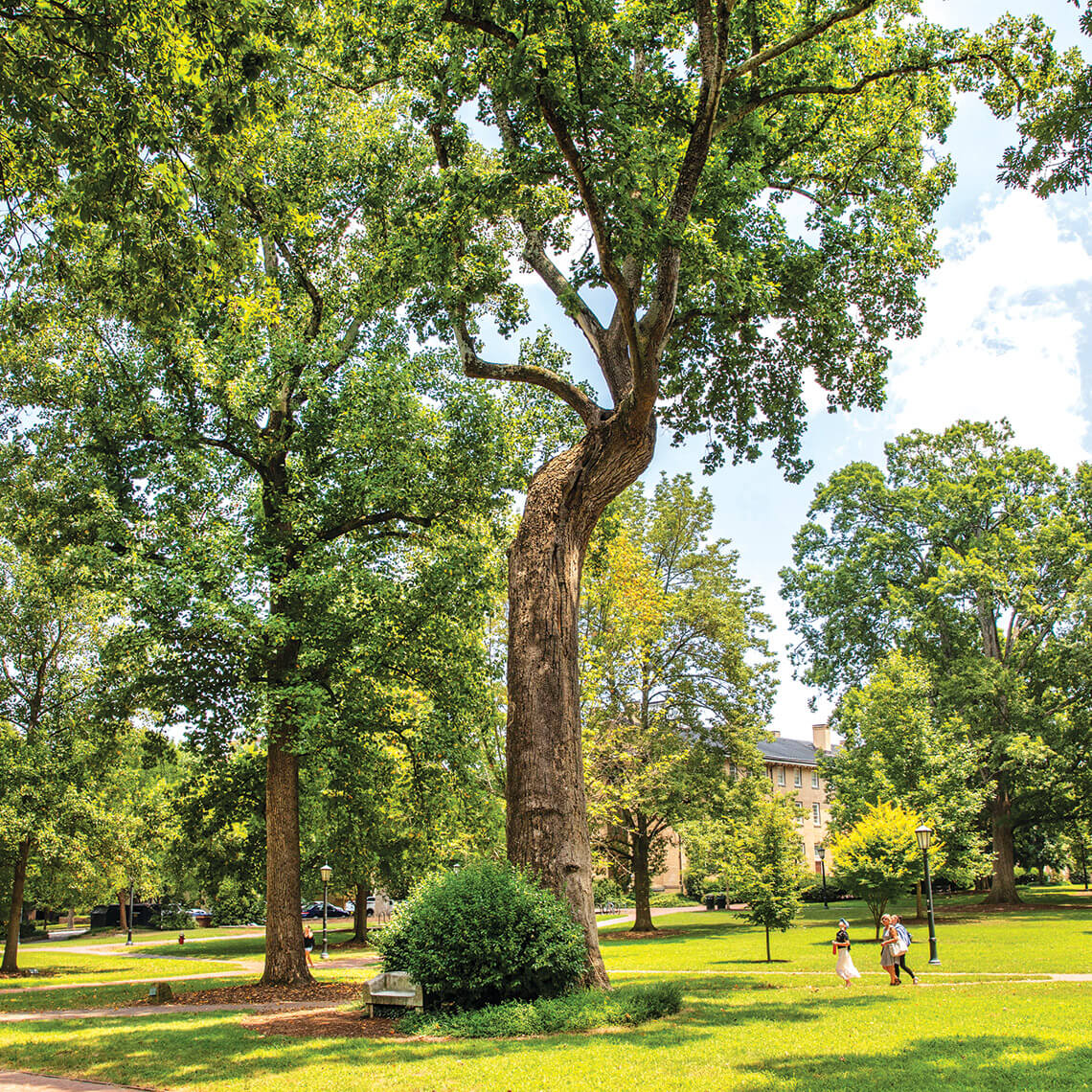
The iconic Davie Poplar lends ample shade on UNC Chapel Hill’s quad. photograph by JOHNNY ANDREWS/UNC-CHAPEL HILL
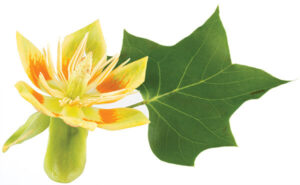
photograph by DianaLynne/iStock/Getty Images Plus
Tulip Poplar
It’s not closely related to a tulip or a poplar. Instead, this majestic tree — part of the magnolia family and one of the tallest native tree species in North America — is known for its tulip-shaped flowers. In Joyce Kilmer Memorial Forest near Robbinsville, some of the country’s oldest tulip poplars tower more than 100 feet tall and date back more than 300 years, marking one of the largest stands of old-growth forests on the East Coast. In the Piedmont, the Davie Poplar has been rooted on UNC Chapel Hill’s campus for more than two centuries — a leafy symbol of tradition and education.
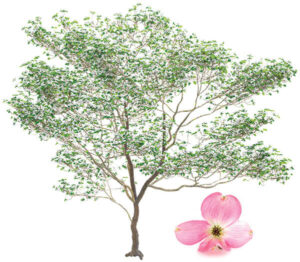
photograph by xphotoz/iStock/Getty Images Plus, Saifstock - stock.adobe.com
Dogwood
In North Carolina, our state flower is actually, well, a tree — specifically, the dainty blossom that sprouts from the dogwood and whose blooms, for many, mark the official arrival of spring. With four delicate petal-like bracts that grow in pastel pink or white, the dogwood is a beloved sight across the state from March through May. In 2019, the Matthis Family Dogwood in Sampson County was crowned the largest living dogwood in the country. Its branches stretch to a height of 31 feet.
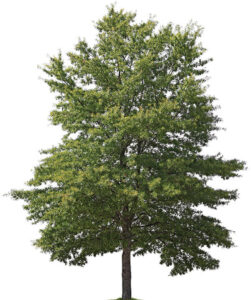
photograph by DNY59/iStock/Getty Images Plus
Willow Oak
Lining streets and shading paths with its bustles of slender green leaves, the willow oak is a common sight in the Piedmont and Coastal regions. In Union County, one stands taller and wider than the rest: Our massive National Champion Willow Oak — one of the largest willow oaks in the country — has been recognized for its 337-inch circumference and its grand “crown.” A champion, indeed.
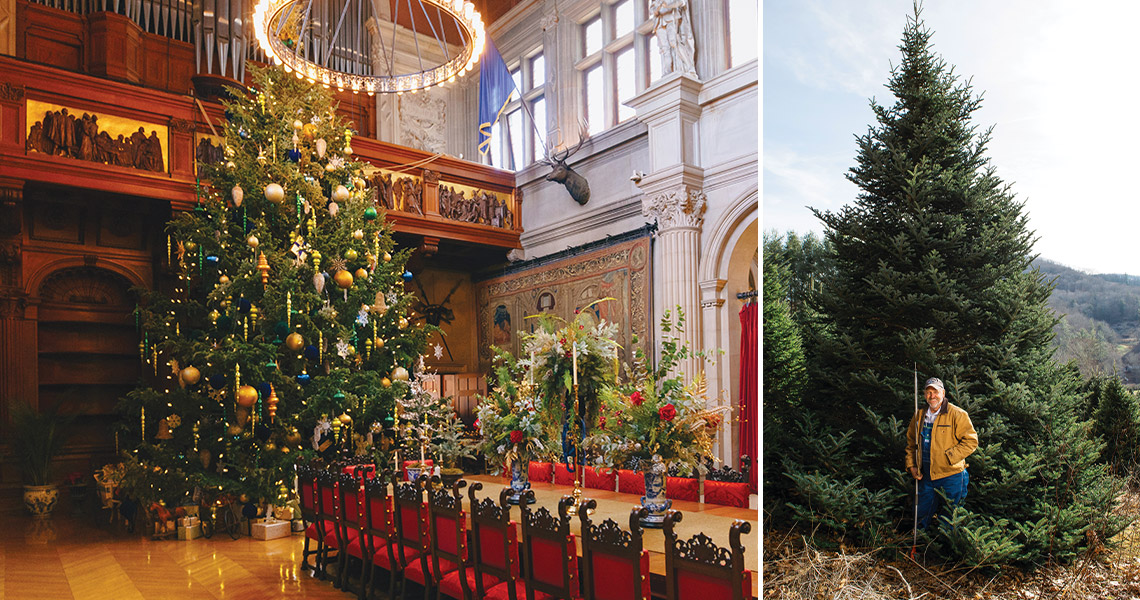
Larry Smith’s Mountain Top Fraser Fir farm in Newland (right) provided the White House Christmas tree in 2018. Each year, Andrews Tree Farm & Nursery in Newland grows Biltmore House’s Banquet Hall tree (left). photograph by Rachel Pressley, Jack Sorokin
Fraser Fir
For many North Carolinians, there simply is no other kind of Christmas tree: Among the ancient peaks of Appalachia, our “Cadillac of Christmas trees” is grown in such abundance that it accounts for more than 99 percent of holiday tree species in our state — and helps North Carolina boast the second-largest Christmas tree industry in the nation. Among its many accolades, the Fraser fir has a rich and nostalgic evergreen scent; strong, upswept branches that can hold even the heaviest of ornaments; and excellent blue-green needle retention that helps it stay merry and bright all season long. Perhaps that’s why the White House has chosen a North Carolina tree as its Blue Room Christmas Tree 16 times and, closer to home, why a 35-foot-tall specimen adorns Biltmore House’s Banquet Hall each holiday season.