James “Jim” Walters Jr. never fancied himself an art connoisseur. He’s not a philistine by any means, but he’s also not — by his own admission — the guy you would expect to embark on a sacred art pilgrimage, passionately pursuing paintings that harken back to the days of the Italian Renaissance.
And, in fact, he wasn’t that guy — not at first, anyway.
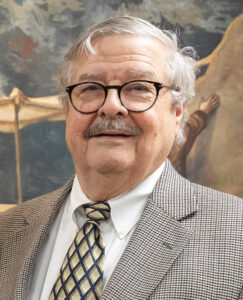
James Walters Jr. photograph by Charles Harris
A few years ago, Walters, a retired Charlotte banker, was looking for a fresh start. Dollye, his beloved wife of 45 years, had died in 2019 after a lengthy battle with Alzheimer’s disease. After devoting himself faithfully to her care for five years, Walters longed to begin a new life. He reinstated his membership at a Charlotte country club and bought a home in Blowing Rock.
It wasn’t long, though, before the Covid-19 pandemic shut down the country club. To make matters worse, Walters was diagnosed with a rare form of leukemia and was told he had only three to five years to live. At 75, he was too old for a bone marrow transplant, his doctor told him.
“I’m just going to go to Blowing Rock and make a bucket list,” Walters recalls deciding. “And one of the first things on my list was to drive the entire 469 miles of the Blue Ridge Parkway.”
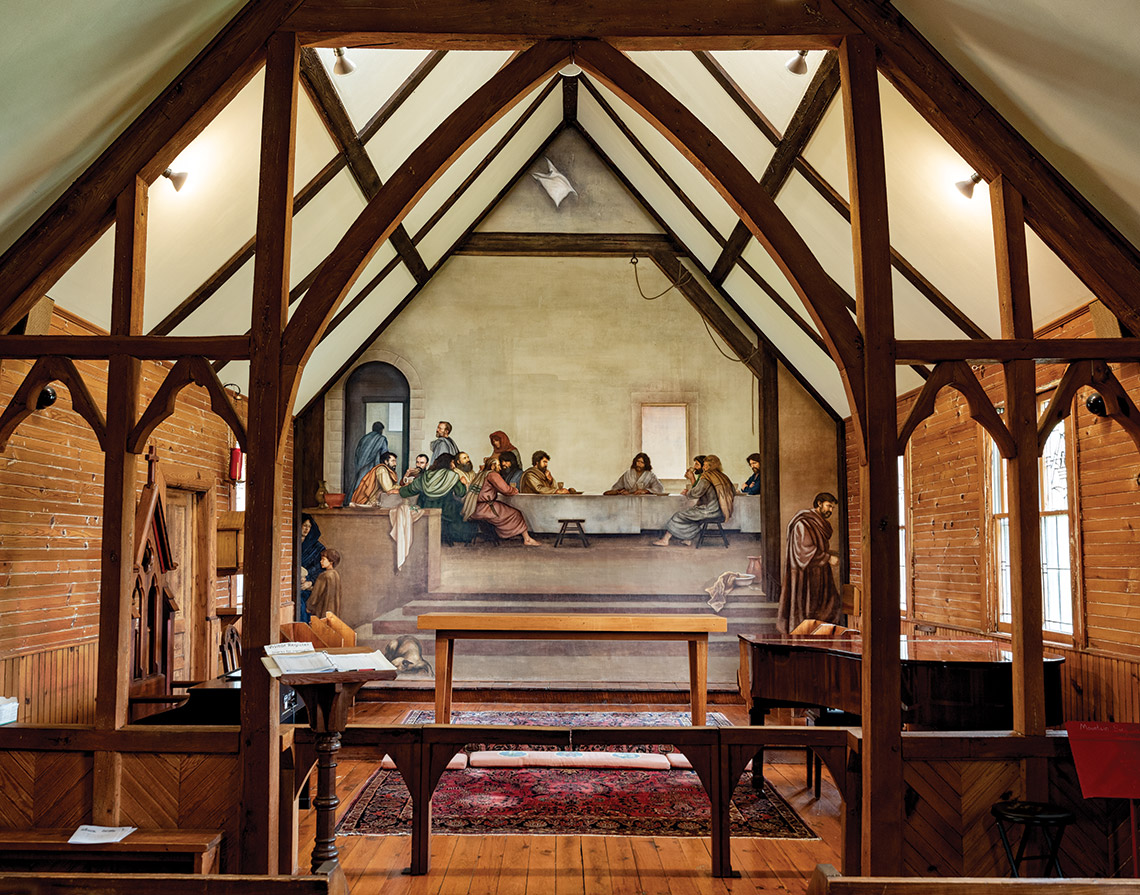
In 1980, Ben Long, along with 20 of his students, spent three months painting The Last Supper behind the altar of Holy Trinity Church. photograph by Charles Harris
Walters and his new significant other, Peggy Denny, set out in July 2021. They had only one planned stop — a visit to Holy Trinity Church in Glendale Springs, home of The Last Supper, one of North Carolina fresco artist Benjamin F. Long IV’s earliest and most beloved pieces.
That was the only planned stop, but it wasn’t the last.
“Honestly, I didn’t even know what a fresco was at that point,” Walters says. “But then when I saw [The Last Supper], I just loved it. I couldn’t take my eyes off of it.”
Walters remembers how the colors drew him into the painting in a way no other art ever had. That’s a signature trait of frescoes, in which pigments mixed with water are applied directly onto — and slowly seep into — a layer of wet lime plaster, giving the mural a vibrant, almost luminous quality.
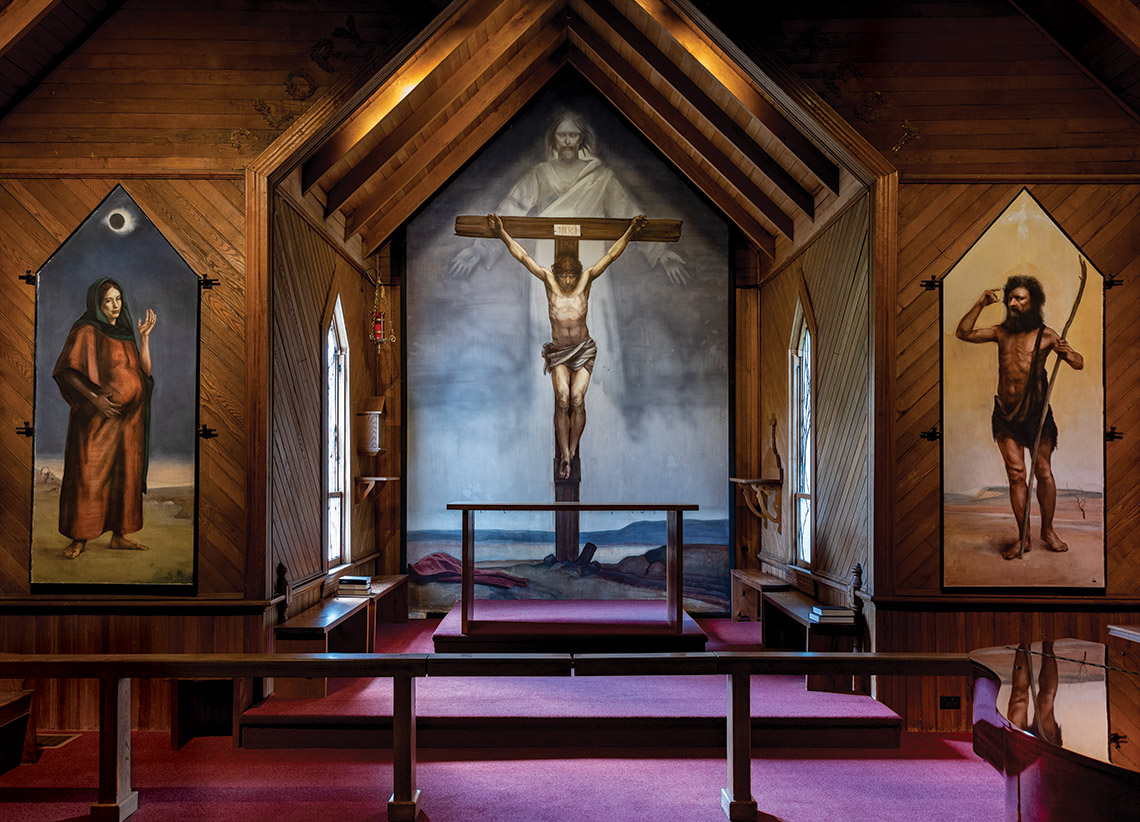
One of West Jefferson’s most popular sites for visitors, St. Mary’s Church is home to a trio of frescoes that Long painted in the mid-1970s. photograph by Charles Harris
As Walters and Denny were leaving, they saw a flyer explaining that another spot only 10 miles down the road — St. Mary’s Church in West Jefferson — housed three more of Long’s frescoes: Mary Great with Child, Mystery of Faith, and John the Baptist.
They excitedly drove to West Jefferson, where Walters again was mesmerized.
At St. Mary’s, another flyer told of nearly a dozen more fresco locations in North Carolina — Charlotte, Statesville, Morganton, and Montreat, among others — and Walters mentally revised his bucket list. Three days later, after completing his trek on the parkway, he began immersing himself in the study of fresco painting, reading whatever he could find about Long’s career and visiting the other North Carolina frescoes.
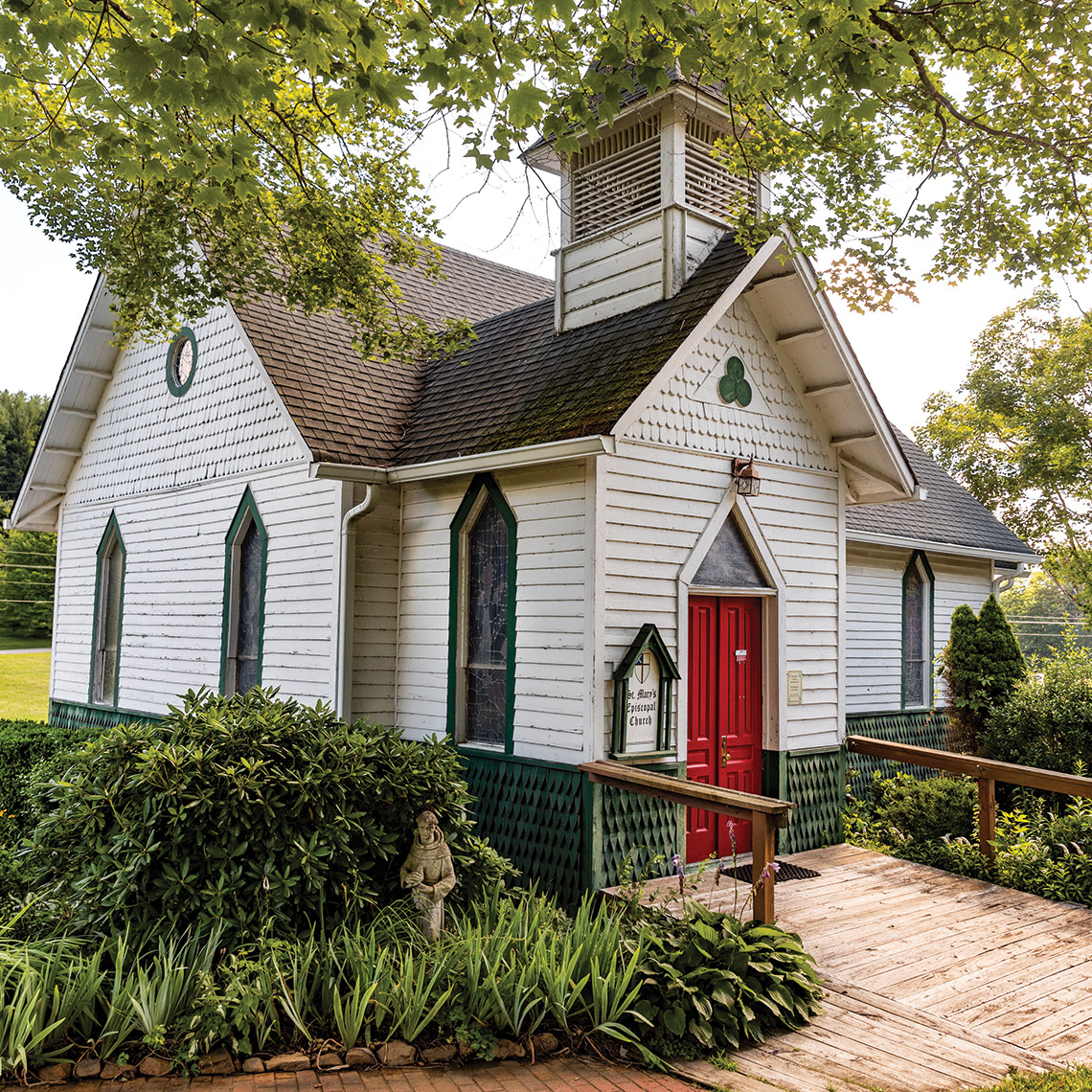
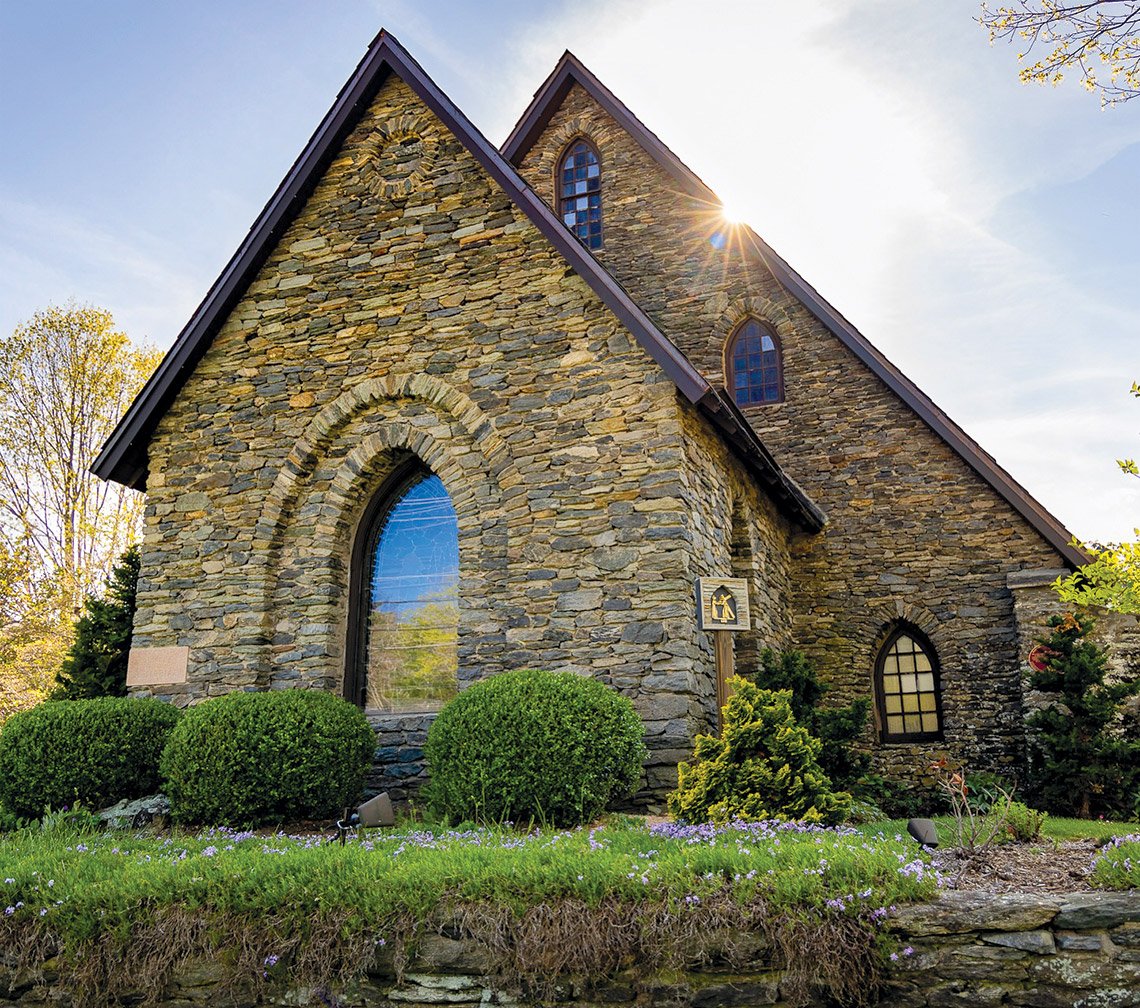
Both St. Mary’s Church and Holy Trinity Church are open 24/7 to visit the frescoes. photograph by Charles Harris
By that December, Walters had visited every U.S. fresco listed on Long’s website except one: Psalm 23, a painting in the chapel at Hospice of Charleston, located in Mount Pleasant, South Carolina. Walters and Denny eagerly agreed to go see the final fresco, but there was just one problem.
“We searched and searched and searched, but we couldn’t find a listing for Hospice of Charleston,” Walters recalls. “It no longer existed.”
And if the hospice facility no longer existed, what had become of the Psalm 23 fresco?
• • •
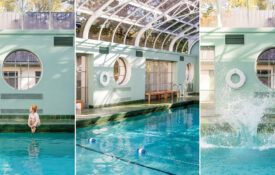
Walters solved the mystery by searching through official state documents and real estate transactions. Having closed years earlier for financial reasons, the building had a new owner with a new tenant: Roper Hospice Cottage.
When Walters and Denny visited the site, they were in for a couple of surprises. First, there were actually two frescoes — Psalm 23 and The Good Shepherd. And second, nobody seemed to know much about the paintings.
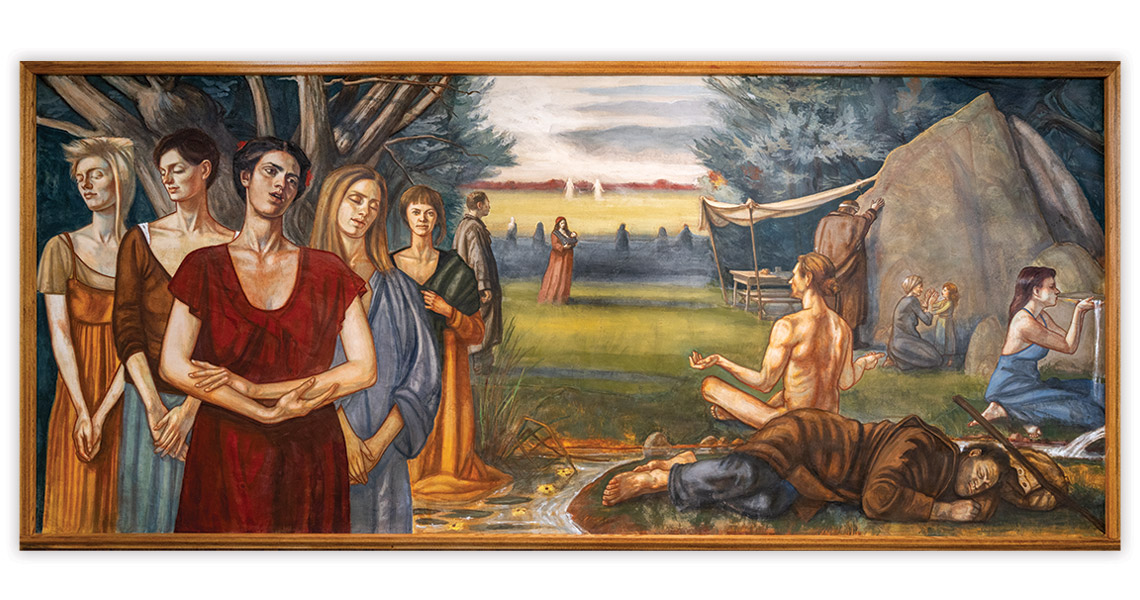
The larger of the two, Psalm 23, is approximately 15 feet long and 7 feet high. It doesn’t incorporate the rich pastoral imagery traditionally associated with Psalm 23 — lush, green pastures, still waters, a tranquil sky, a flock of sheep, a vigilant shepherd — but it does exude an undeniable sense of peace, comfort, and strength.
Certain scenes jump out at you: A small chorus of women, their faces peaceful and relaxed. A large rock, likely representing God — immense, firm, sturdy, immovable — and a man leaning into the rock with his palm against it. An unclothed man with his back to the viewer and his arms extended, palms up, perhaps symbolic of someone anticipating the Lord’s provision.
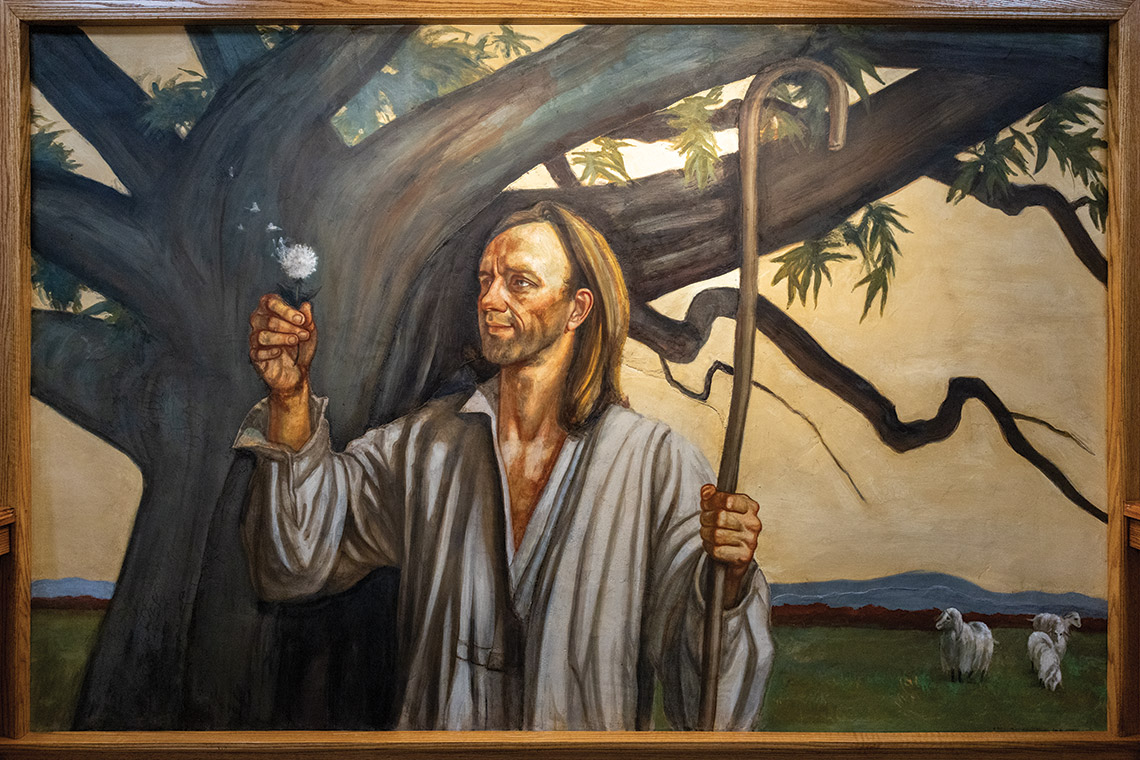
Atelier 4, an art shipping business, had the daunting task of removing The Good Shepherd (pictured) and Psalm 23, storing them for 26 months, and then hoisting them with a crane to their spot in Rumple Memorial Presbyterian Church. photograph by Charles Harris
The smaller fresco, The Good Shepherd, measures about 8 feet long by 5½ feet high. That painting depicts a shepherd, his staff in one hand and a dandelion in the other, with his flock in the field behind him. The dandelion and its scattering seeds seem to represent the Holy Spirit.
“Ben [Long] won’t tell you what it means,” Walters says. “Artists are like that sometimes — they like to leave it up to your own interpretation.”
After seeing the two little-known frescoes, Walters learned more about them. In 2006, Long had been privately commissioned to create a fresco based on Psalm 23 — one of the most beloved, comforting verses in all of Scripture — to be installed at Hospice of Charleston. The woman who commissioned the work, Mabel Stowe Query, envisioned a painting that would bring peace and comfort to dying patients and their loved ones.
Long, of course, needs little introduction in North Carolina, where his frescoes in Glendale Springs and West Jefferson, in particular, have been must-visit destinations for decades. In South Carolina, though, his work is lesser known, so his Hospice of Charleston project largely flew under the radar.
Query died in 2007, well before Long had completed the frescoes. But he continued painting the works, finishing in 2009. Ironically, the two frescoes — created by one of the foremost fresco painters in the world — debuted in the chapel with little fanfare. For years they languished in Lowcountry obscurity, all but forgotten.
Learning this, Walters became a man on a mission: save the forgotten frescoes and find a way to bring them to North Carolina, where a wider audience could enjoy them. He contacted the owner of the building and asked if they might be willing to sell the frescoes. To his delight, the answer was yes.
Now, Walters just needed a buyer.
• • •
Meanwhile, about 300 miles north of Mount Pleasant, an improbable tale of serendipity — or was it divine intervention? — was unfolding.
In Blowing Rock, Rumple Memorial Presbyterian Church was embarking on a major capital campaign to renovate its education center and add a new fellowship building. The Main Street church had outgrown its existing space and needed both updates and room to grow.
Some drawings for the ambitious expansion had already been rendered by October 2021, when church member Bill Wilson suggested an addition to the plans.
“I had this dream that I remembered clearly when I woke up,” Wilson recalls. “I dreamed about Ben Long frescoes and about him coming to Blowing Rock to paint one.”
The capital campaign committee was curious: A Ben Long fresco? Here? Oh, wouldn’t that be wonderful?
Then came the harder questions: Where would we put such a large piece of art? How would we pay for it? Is Ben Long even painting frescoes anymore?
Ultimately, the committee agreed — with a measure of disappointment — that the campaign was already too far along, and another huge, expensive element would be too difficult to add.
“The dream was put to bed,” says Kathy Beach, the church’s senior pastor. “But the Holy Spirit was still at work.”
Senior Pastor Kathy Beach blessed Jim Walters’s dog at a public Blessing of the Animals. Years later, that connection to Rumple Memorial Presbyterian Church led Walters to call Beach about the frescoes. photograph by Tyler Graves, Courtesy of Visit Blowing Rock
In January 2022, only three months after Wilson’s mysterious dream, Beach received a cold call from a man whose name she didn’t recognize — Jim Walters. Beach didn’t realize it at the time, but that phone call was about to alter the future of Rumple Memorial Presbyterian.
Walters was ringing with a most unusual proposal: He needed a church to house a couple of Ben Long frescoes. Those last three words — “Ben Long frescoes” — caught Beach’s attention.
“If Bill Wilson hadn’t had that dream, I would’ve said no, there’s no way,” she says. “But since we already had that other seed planted, I really felt like it was providential. How did Jim know to call us? And how did he know we would be receptive to the idea because of Bill’s dream?”
Granted, the idea of a fresco had already been nixed, but this was different — this time, there were two frescoes, and they’d already been completed. They just needed a place to call home.
“This is so ironic,” she told Walters with a chuckle. “I can’t say no, because this may be divine intervention, and we Presbyterians believe in that kind of stuff.”
Beach invited Walters to pitch the idea to a few church members. Sure enough, they were equally intrigued — the temptation of owning two Ben Long frescoes was too great to ignore — and the group decided to present the idea to the church’s leadership body.
Leaders gave the green light, generous donors stepped up, and the church purchased the frescoes for $200,000 — roughly half of Long’s original commission.
• • •
Unveiled during a dedication ceremony in February, the two frescoes — largely unseen for more than a dozen years — are now on public display at the church. And how fitting for their new home to be in Blowing Rock, a town where Long resided for a good bit of his childhood and where he got married.
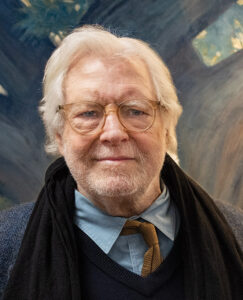
Benjamin F. Long IV photograph by Charles Harris
“Blowing Rock is a place that I spent a lot of my life,” says Long, who now lives in Asheville and attended the unveiling. “The fact that I love this place makes it really special for me that the frescoes are now here in Blowing Rock.”
Like many others, though, Long can’t help but marvel at how the two frescoes — which he had thought might never again be seen publicly — found their way to a small church in the mountains he so enjoys.
Here, leaders have already incorporated the paintings into the church’s fresco ministry, placing them where folks gather before weddings, funerals, and other sacred events.
Beach believes the frescoes have broader appeal, too.
“[People] might come here because they’re on vacation and they’ve heard about these beautiful paintings, so this is an opportunity for us to connect with, we hope, thousands of people a year who will come in this space and encounter God,” she says.
That would certainly explain why the fresco project seems suffused with divine intervention, wouldn’t it?
For Walters, who’s now 80, the project helped him take his mind off his leukemia. Chemotherapy and platelet booster injections have stabilized his health for now, but it’s the frescoes — and their miraculous journey back to North Carolina — that have restored his soul.
“The way this all came together, I don’t have any other way to explain it,” he says. “Miracles aren’t necessarily turning water into wine.”