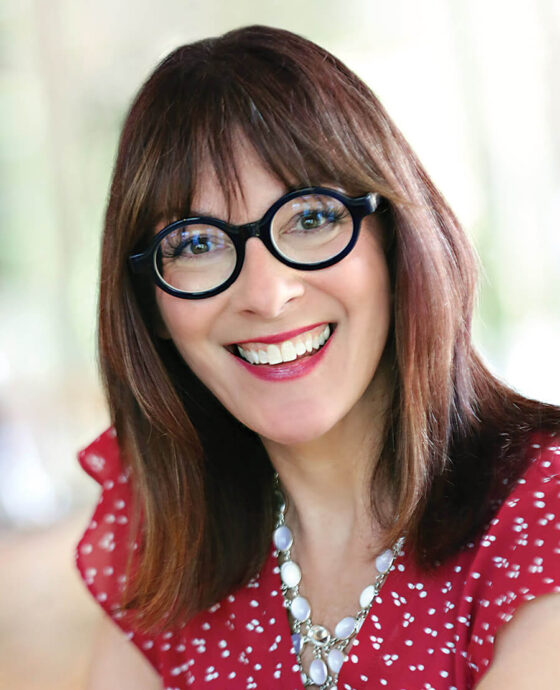
 Listen as the pages of the magazine come to life in the Storytellers podcast showcasing the voices of six Our State writers. Each podcast episode features a writer reading their column aloud, allowing each distinct voice to shine. Click below to listen to Editor in Chief Elizabeth Hudson read her column aloud.
There was a time when the sight of a brown paper lunch sack on the kitchen table meant something special was about to happen: a field trip, a ticket to adventure. Inside was a sandwich — Ruth’s pimento cheese on Merita bread or bologna with yellow mustard — and a canned drink wrapped in foil, my name printed carefully in black Magic Marker on a strip of masking tape.
I couldn’t tell you where we went — the zoo? The State Capitol? Morehead Planetarium, where the seats tilted back and the ceiling dissolved into sky? — but I remember the lunches, eaten on splintered picnic tables, bread soft in the heat, drink sweating through the foil, the feeling of being, briefly, elsewhere.
At Farmer School, I loved the cafeteria line, steam rising from behind the glass and the anticipation of something hot and hearty — baked spaghetti, chicken pie — ladled out in generous scoops.
In high school, I lived for pizza Fridays, rectangular slices doled out like playing cards. By senior year, a baked potato bar showed up — peak sophistication in the 1980s — and we all felt slightly more grown-up than we actually were.
In college, lunch was whatever I could scrounge between classes: a granola bar, something from a drive-through. Later, in the jobs that shaped my early 20s — a video store, a bookshop — lunch meant 30 minutes in a break room that smelled faintly of microwave popcorn. I ate fast. I watched the clock.
Then came my first office job — in Greensboro, at this magazine — 28 years ago. I was the girl who answered the phones, and for the first time, I had a full hour for lunch. I’d drive to Jay’s Deli at Friendly Center, order a hot dog, and sit at a small table. That hour was more than a break — it was a beginning.
Now, lunch takes me all over the state. Chicken salad in a church fellowship hall after giving a talk. A crab cake sandwich from a seafood shack at the coast. I’ve filled entire notebooks with the meals I’ve eaten in roadside diners and ambitious new kitchens. I’ve tasted North Carolina, slowly and deliberately, one bite at a time. The greatest field trip I ever could’ve imagined.
In 2009, when I became editor in chief, our publisher and I began having lunch together once a month, always on a Tuesday. We still do — nearly 200 meals so far. We rotate through our regulars: a patio table at Print Works, a window seat at Undercurrent, a booth at Country Barbeque. We talk first of work, then of other things. Movies we’ve seen. Places we’ve been and hope to go. People we love. And, as the years go on, people we miss.
Lunch, by now, is less about the food and more of a private calendar. I measure the days, the months, the seasons, the years, carried in brown bags and Styrofoam trays, across lunch counters and county lines. I’m grateful for the hour. For the pause before the plates are cleared, before the chairs scrape back, the doors swing open, and time ticks forward.
Elizabeth Hudson
Editor in Chief
print it