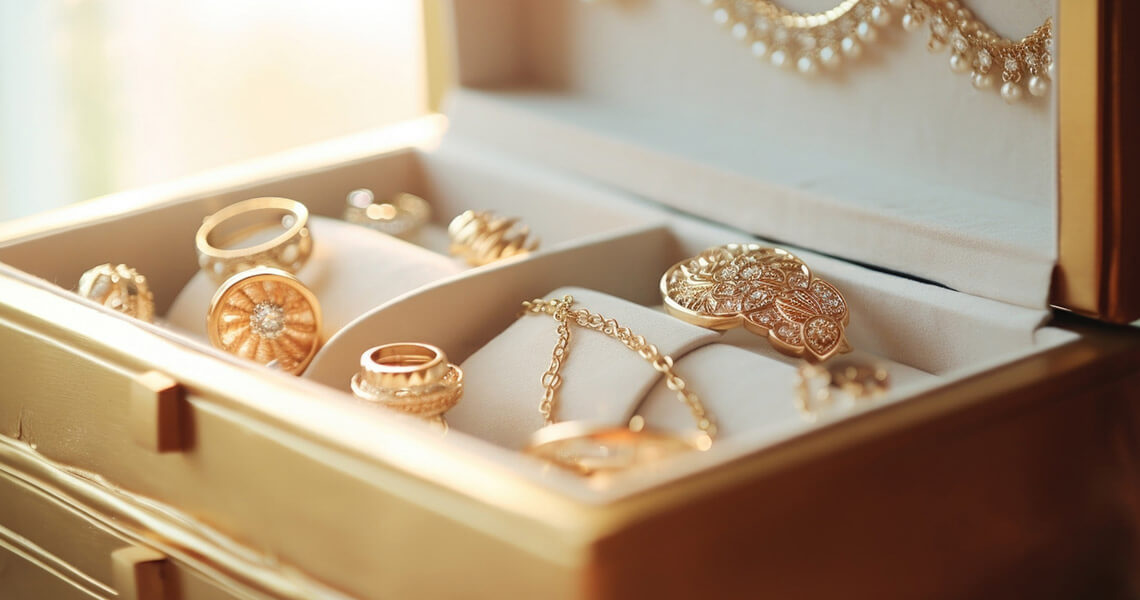
Through diamonds, bands, clasps, and chains, jewelry symbolizes connections: Couples exchange rings with vows, families pass treasured heirlooms down to younger generations, and gifted pieces offer wearable reminders of milestone events. When jewelry carries meaning that’s as dazzling as the design itself, proper care and maintenance are essential to ensure a piece lasts for generations.

Rob Simon Photography courtesy of Windsor Jewelers archives
Rob Simon has helped people commemorate life’s occasions with jewelry for more than four decades. He owns Windsor Jewelers, with locations in Winston-Salem and Charlotte. But beyond connecting people with the perfect new piece, he and his team assist clients with ensuring their current pieces last a lifetime … and beyond.
“In North Carolina, we have fantastic jewelers all over the state,” he says. “If you’re inheriting something, take it to one of your trusted jewelers and get them to analyze it. Find someone who understands the science of gemology and help interpret its history.” Whether you’re looking to preserve a treasured family heirloom or extend the longevity of your daily staples, Simon suggests six tips to keep in mind:
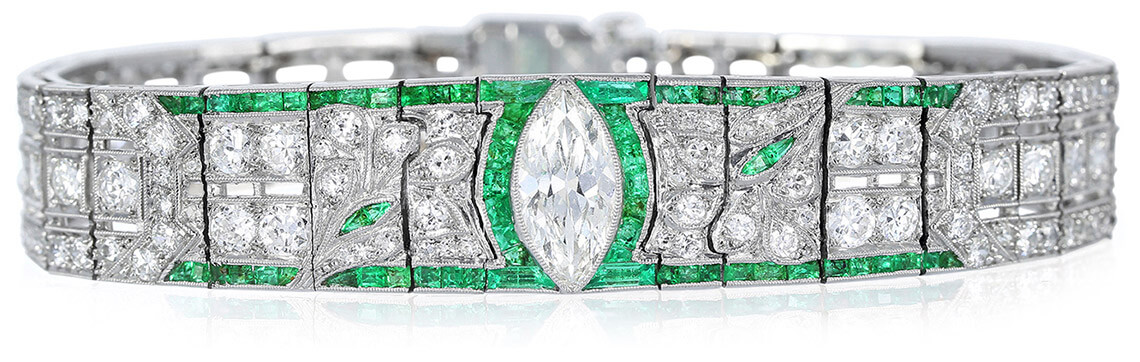
Photography courtesy of Windsor Jewelers archives
Learn about its past, if possible
You may not always know the backstory for your necklace, bracelet, ring, or brooch, but if it’s a piece you’ve received from a loved one who is still living, it’s worth asking about any past resizings, repairs, or modifications, especially if you plan on having it restyled. This information can help a jeweler plan any additional maintenance. If a piece has been resized, reshaped, and undergone other changes over the years, especially any made with a settling torch, a jeweler might be more cautious to make any further modifications. “We want to always treat family pieces with the utmost reverence,” Simon says. “We understand that it’s got a lot of attachment and sentimental value.”
Even if you don’t know the history, you should still see a jeweler
If you inherit a special piece or purchase an estate piece, an accredited appraiser can verify its authenticity and analyze the gemology and signs of abrasions or past repairs to help you decide if it needs any current up-keep or how it might be recut to suit your own preference or style.
Embrace restyling
Have you ever received a piece from a loved one and thought it’s beautiful … but will I ever wear it? There’s no shame, if so. Jewelers understand that fashion and trends change, and, Simon says, “there are many ways for jewelry to stay adaptable.” You could switch the metal, for instance, or have a gemstone recut and repolished to enhance its luster. If you know you want to restyle a piece, discuss what you envision with a professional jeweler, who can provide renderings to help you select a final design.
Simon’s one exception to restyling — “very luxurious estate pieces.” Think Cartier, Tiffany & Co., Oscar Hamon, and the like. Those pieces have much more value in their original state. “You wouldn’t take a 1969 Ferrari and say, ‘I want its engine in a Mustang,’” Simon says.
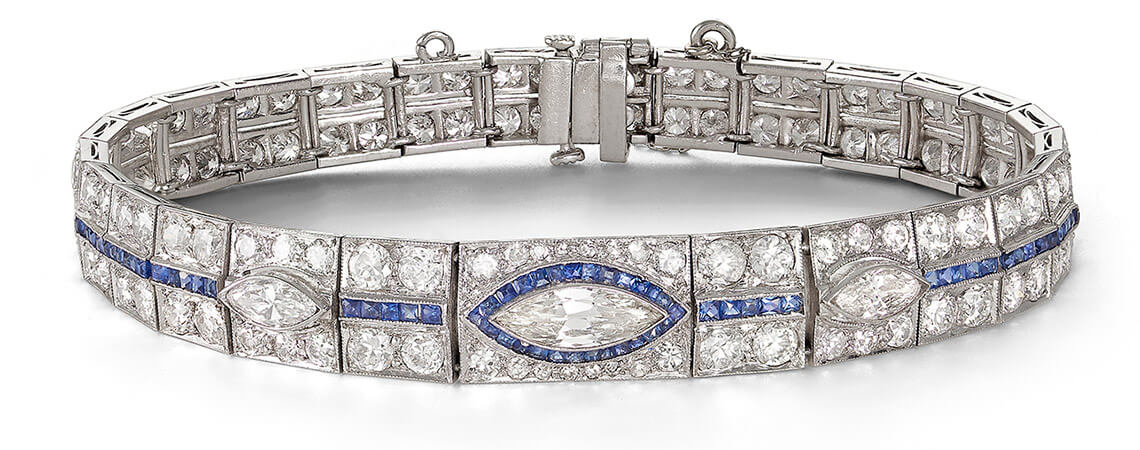
Photography courtesy of Windsor Jewelers archives
A daily check-in
For a piece that’s in your regular rotation — a ring, jeweled necklace, a diamond bracelet, or brooch — it’s a good idea to check for anything out of the ordinary before each wear. Simon recommends gently rolling your finger across the top of the piece to check that none of the claws or prongs are sticking up. And give it a listen. You can gently shake it near your ear to hear if anything might be loose.
And take it in for regular tune-ups
Imagine every task you use your hands for in a day: driving, opening doors, gardening, cleaning, cooking. “Jewelry becomes part of our anatomy,” Simon says. “Most people don’t realize how much wear and tear jewelry gets.”
To make sure everything is properly in place, it’s a good habit to regularly take your most-worn rings, bracelets, and watches to your neighborhood jewelers, who are often happy to clean and check a piece free of charge. It gets ahead of any wear-and-tear issues that might develop in the future. “Think of it this way,” Simon says, “you wouldn’t drive your car until all four tires are bald.”
Plan more extensive maintenance every decade or so
There’s nothing wrong with restyling or remaking the mountings around a gemstone every 10 to 20 years. “We like to say that diamonds are forever, but mountings are not,” Simon says. Sturdy mountings protect the gemstone, after all. And with modern laser welding and pinpoint technology, custom craftsmen can make precise cuts and mends to specific areas to extend a piece’s longevity.
Windsor Jewelers
526 S. Stratford Road
Winston- Salem, NC 27103
6809-D Phillips Place Court
Charlotte, NC 28210
windsor-jewelers.com