Put ramekins on a baking sheet. Bake for 25-35 minutes, until puffed and golden. Remove from oven, and let stand for 5 minutes. With a flexible spatula, remove strata to
The Beach House: In North Carolina, a beach house means more than a home by the ocean. Whether a coastal cottage where we stay, a soundside spot where we shop,
The Beach House: In North Carolina, a beach house means more than a home by the ocean. Whether a coastal cottage where we stay, a soundside spot where we shop,
With a photographer in the family, memories of decades at one cherished beach house are collected like seashells, each image a moment of an evolving landscape and lineage.
The Beach House: In North Carolina, a beach house means more than a home by the ocean. Whether a coastal cottage where we stay, a soundside spot where we shop, or a water-view restaurant where we dine, it’s always a place made for dreaming. Click here to view related articles.
Elizabeth Matheson has spent years photographing life in North Carolina, including moments at her family’s historic cottage. Photography courtesy of Elizabeth Matheson
When the wind shifts, the rocking chairs on the porch begin to creak. The tide creeps closer, sand drifting toward the steps as if testing how much longer the cottage intends to stay. A screen door taps against its frame.
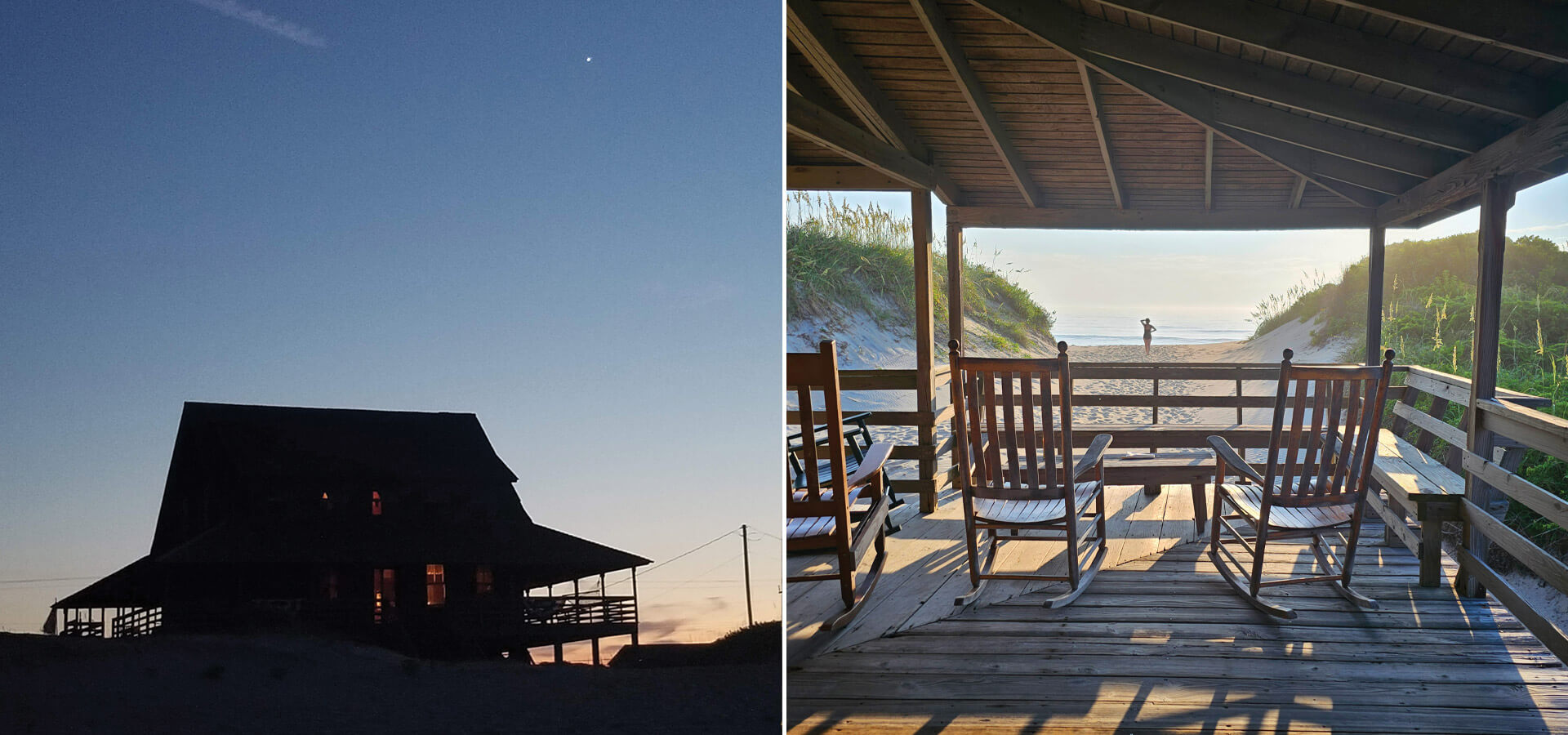
Spider Villa, as it’s known, is more than a mere beach house. One of nine surviving homes of the pioneer cottages in the Nags Head Beach Cottage Row Historic District, the home has been part of the landscape for more than 150 years, its faded timbers and unadorned simplicity standing stalwart.
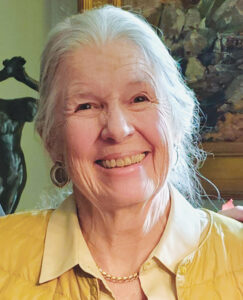
Hillsborough native Elizabeth Matheson, a renowned photographer and recipient of the North Carolina Award for Fine Arts in 2004, grew up several cottages south in the historic row. After training at the Penland School of Craft, Matheson published photography books that center her home state, including Hidden Hillsborough: Historic Dependencies and Landscapes in a Small Southern Town and Shell Castle: Portrait of a North Carolina House. Her work has been exhibited at the North Carolina Museum of Art and the Gregg Museum of Art & Design at North Carolina State University, among many others.
photograph by Elizabeth Matheson
As a second cousin of the current owners, Matheson has walked the sandy paths between these houses for decades, and her photographs capture the quiet poetry of everyday life here.
“I have been photographing Spider Villa year after year,” she says, “and every time, I think there cannot possibly be anything I haven’t seen before. And there always is.”
Matheson frequented the cottage as a child but didn’t spend time there in earnest until adulthood, after her family’s Drane Cottage was irreparably damaged by the Ash Wednesday storm of 1962. Matheson, 84, spends time here every summer. Through her lens, Spider Villa becomes a meditation on time, permanence, and the fierce, wild beauty of the Carolina coast.
• • •
Built around 1868, Spider Villa was one of only a handful of cottages constructed in the 19th century by wealthy families from Chowan, Bertie, Perquimans, and Pasquotank counties. Elizabeth City builder William W. Griffin used wood from an old Methodist church in its construction. Stephen Twine, the builder credited with giving Cottage Row its distinctive look, added a second story in the early 20th century.
But the legacy of Spider Villa belongs to the family that has called it home for nearly a century. In 1937, Rebecca Wood Drane purchased the home. It’s currently owned by three sisters — Rebecca Miles, Caroline Banka, and Brabble Hoffman, granddaughters of Rebecca and her husband, the Rev. Fred Drane. A host of relatives have passed through its doors, sharing prayers, laughter, and the lazy rhythms of summer. All the while, Matheson has recorded the moments that make this historic house a home.
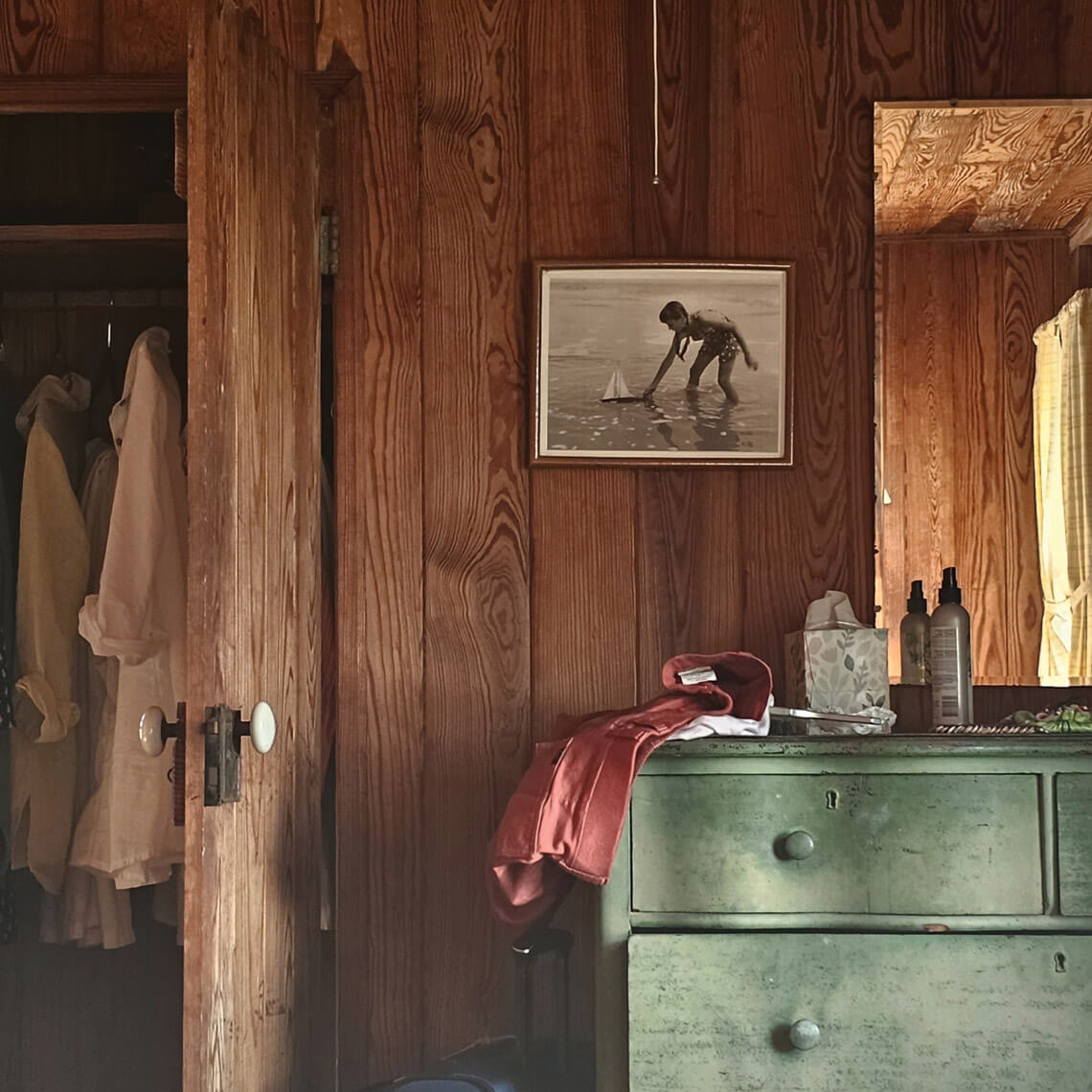
On a guest room wall, Matheson’s Aunt Frances is pictured sailing a toy boat at the beach.<br><span class="photographer">photograph by Elizabeth Matheson</span>
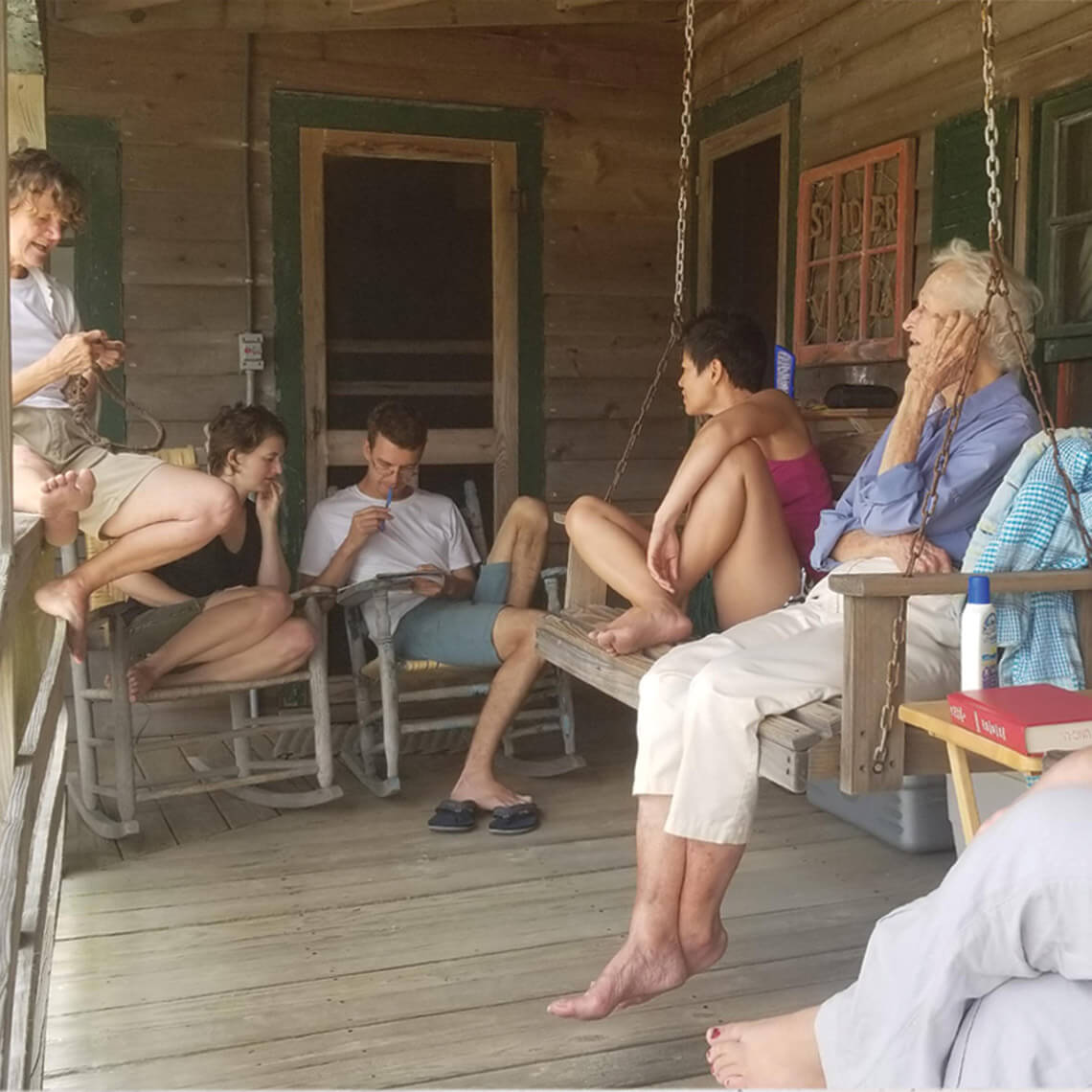
Matheson photographed her decades later on the porch swing, surrounded by family, during her last trip to Spider Villa.<br><span class="photographer">photograph by Elizabeth Matheson</span>
Some images capture everyday scenes whose significance was yet to be recognized: siblings solving a crossword puzzle on the porch, a cousin perched on the railing while knitting, or Aunt Frances, close to 90 years old, swinging and gazing toward the sound during her final summer here.
Others allow relatives to travel back in time: a young Frances putting a toy sailboat in the water, forever memorialized on a bedroom wall. “That is my favorite bedroom,” Matheson says. “No doubt her father had built that sailboat for her, because he built large sailboats, and I love waking up to see Frances as a young sailor, captured in time.”
photograph by Elizabeth Matheson
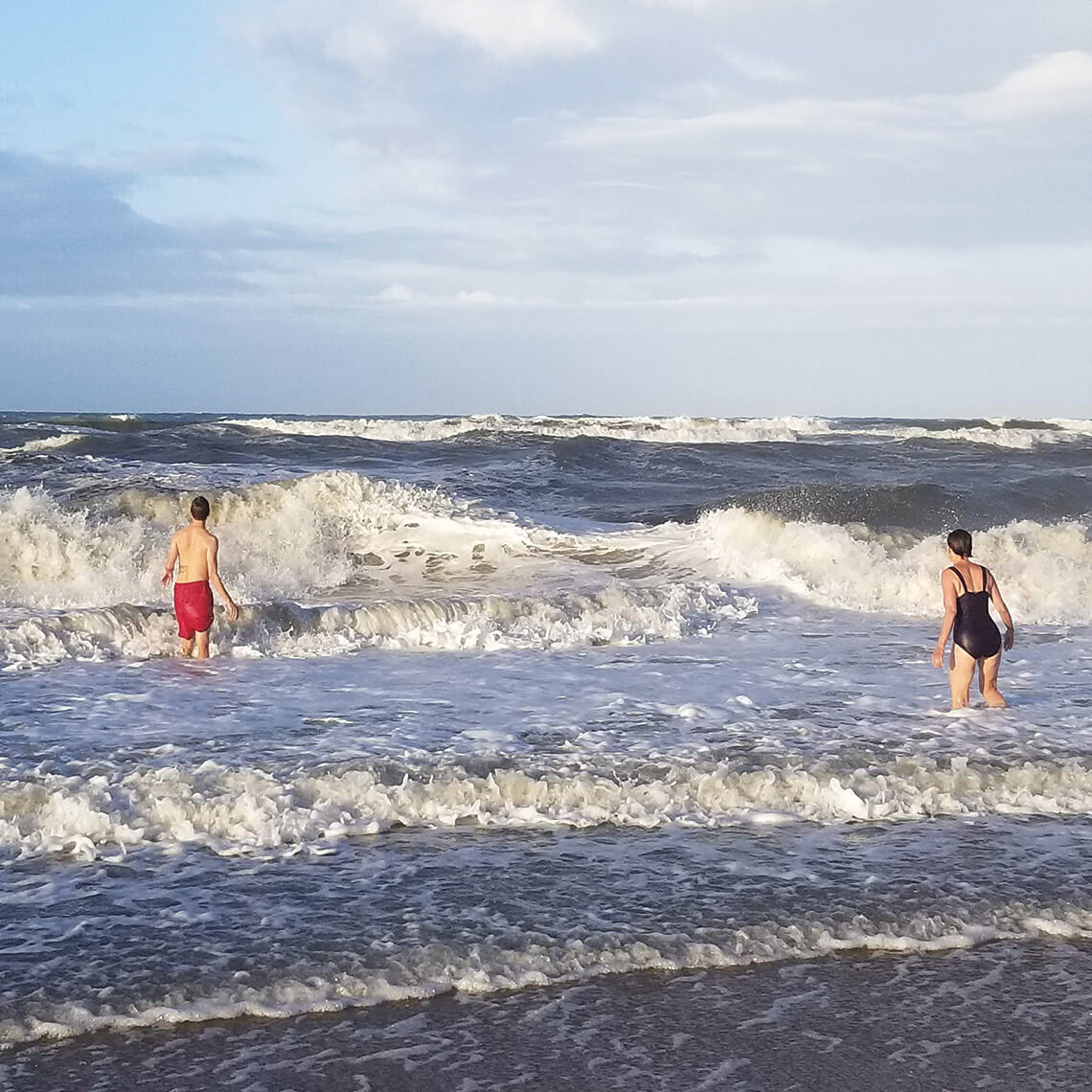
This image reminds Matheson of Frances’s final swim in the ocean, at the age of 89, when she had to be helped down to the shore and past the breakers so she could dive. “She came up from being underwater and said, ‘I’m still 16.’ ”
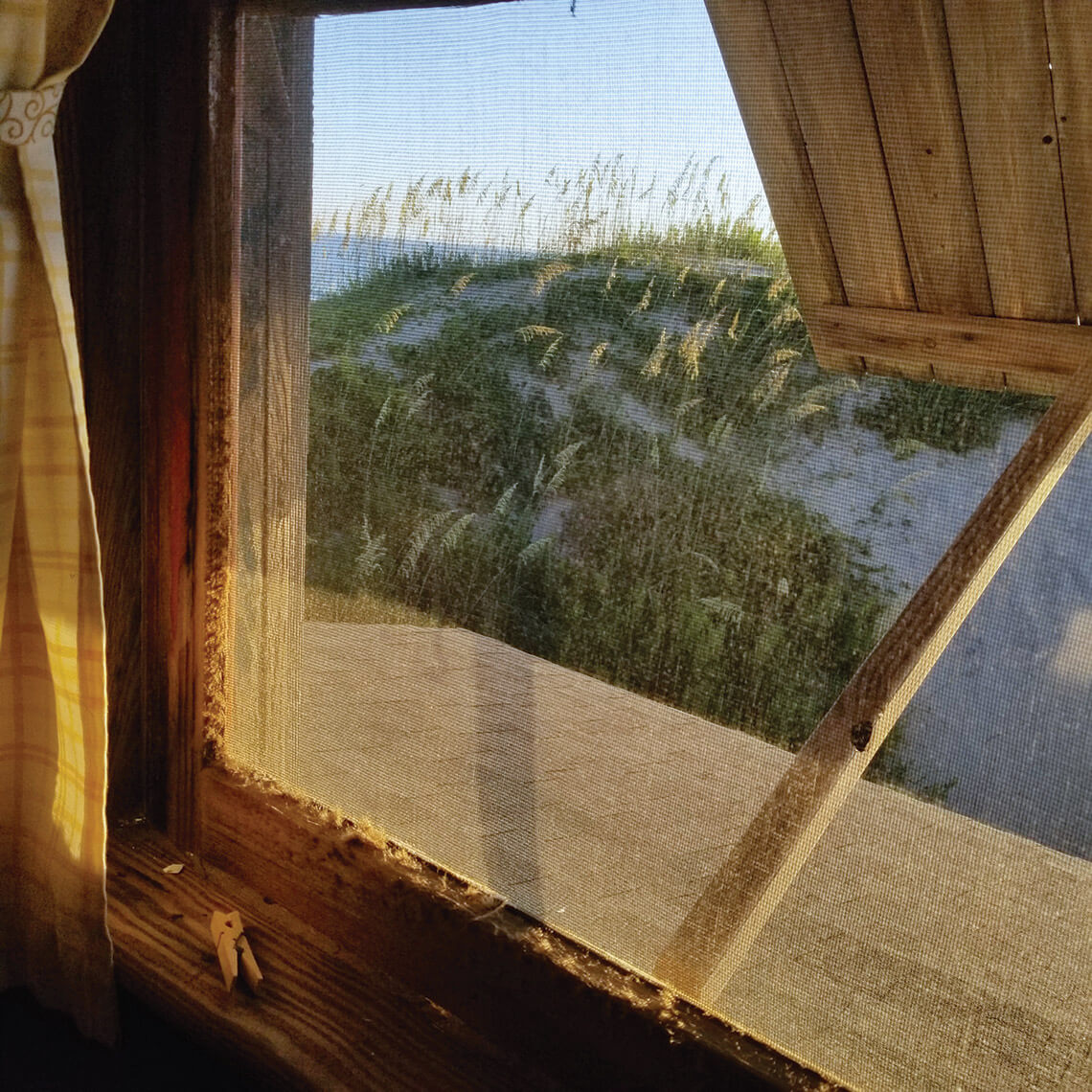
Matheson’s images reflect not only the home’s timeless charm, but also the revelatory moments when she notices something for the very first time. “One morning, I woke up in the same bedroom I’ve stayed in dozens of times,” she says. “The shutter was propped open so you could see the dune right outside, but I suddenly noticed all that wonderful fluff around the windowsill. The warm color of that fuzz and the sunlight just took me by surprise. Who knows how long it had been there?”
• • •
Flip through the Spider Villa photo albums, and you’ll notice a rhythm to the days spent here. Swim, eat, sun. Swim again. Lunch. Nap time — lying down whether you sleep or not. Swim a third time before supper.
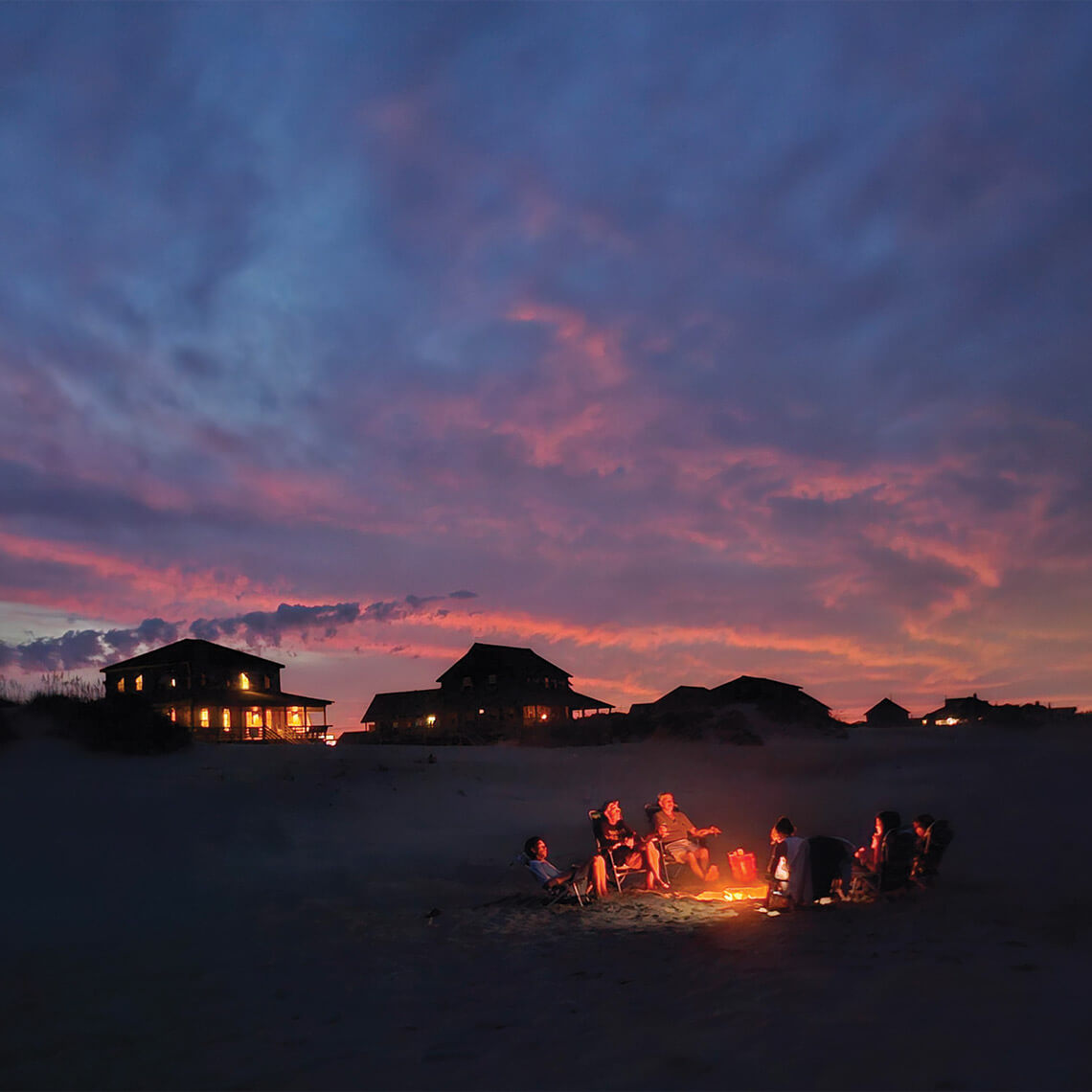
At night, there are games — Scrabble, chess, Chinese checkers — and beach excursions to witness Perseid meteor showers, chase ghost crabs, or tell stories by a bonfire. Lightning storms roll in, vast and theatrical.
photograph by Elizabeth Matheson
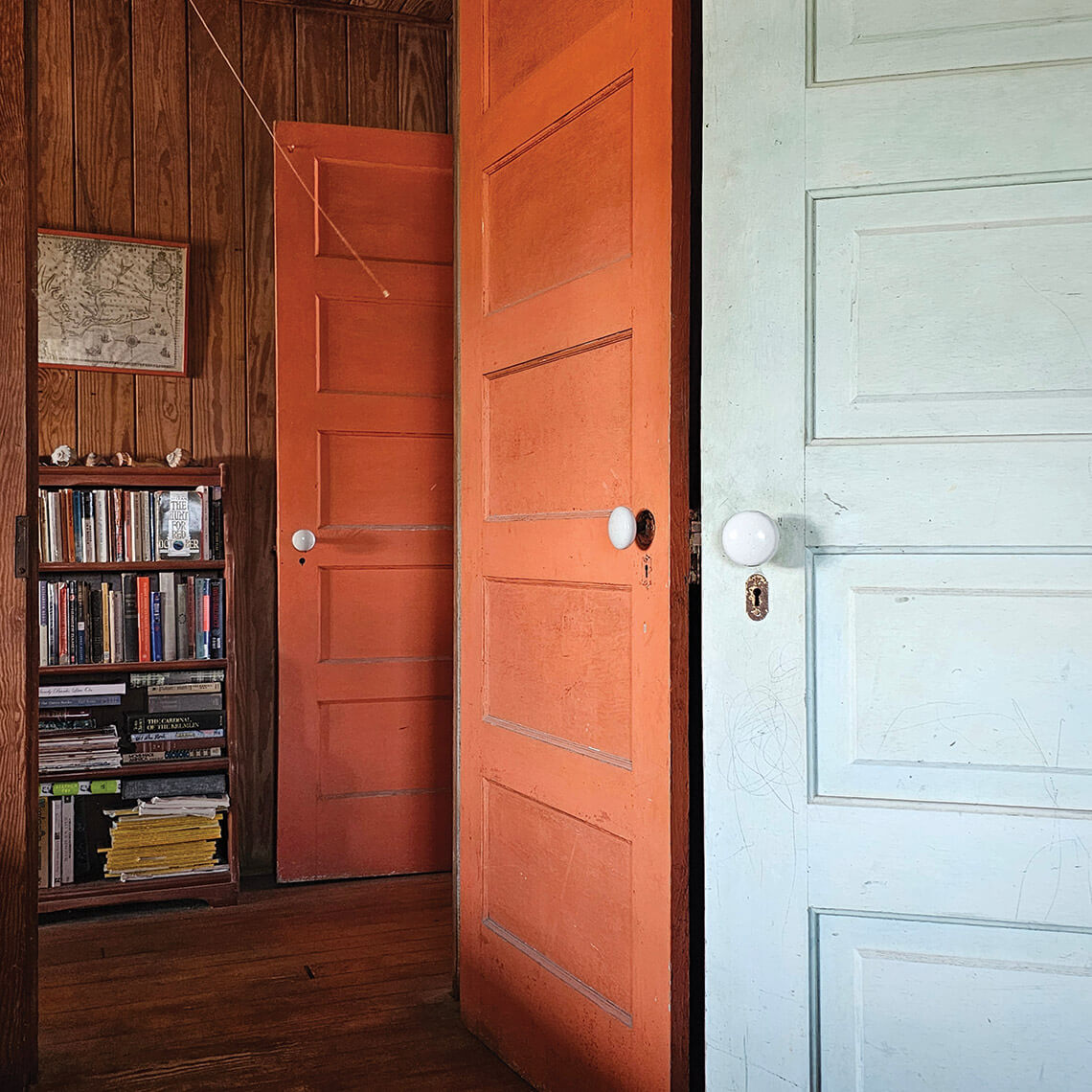
Change is slow in a place like Spider Villa. An indoor shower was added about 15 years ago, to some disapproval. There is still no television or central heat or air — just one window unit. Paperback books curl in the damp ocean air, and upholstery never quite dries. The stories of the grandfather who built sailboats and the dining room table, and the grandmother who had the doors painted persimmon, are told and retold.
The neighboring cottages brimmed with equal measures of life and activity. Those original families came back each year from Edenton, Rocky Mount, Tarboro, and beyond, an integral part of the multifamily community that had taken root.
photograph by Elizabeth Matheson
Back then, Nags Head was smaller, more intimate. In the late 1960s and early ’70s, older kids would supervise walks to J.E. Harris Grocery, Kessinger’s, or Newman’s Shell Museum with its pink cinderblocks. Local farmers sold vegetables, figs, and melons from their pickup trucks.
Like many of the houses along Cottage Row Historic District, Spider Villa has been moved at least three times. After the Ash Wednesday storm, family members rushed in from Edenton with construction equipment to save it. Hurricane Isabel later tore at the porch roof. Sand continues its slow advance, covering steps and reshaping dunes. The family owns land across the road — an insurance policy for the future. The ocean is rising. Storms are stronger. The question is not whether the house will have to move again, but when — and if it can. Until then, the rhythm of Spider Villa goes on.
• • •
Matheson picks up her camera when the moment strikes, rather than setting out to photograph specific subjects. She is drawn to the shimmering light of morning and late afternoon, because, according to Matheson, “the blazing sun of midday is for napping and reading in the hammock, and for this particular photographer, not looking at anything, just surviving until the next swim and meal.”
Named for a poem written by a guest who described the home as “spidery,” Spider Villa was built for gathering. photograph by Elizabeth Matheson
More than anything, Spider Villa is about the porch. Rocking chairs line up like old friends. Screen doors swing freely. People sit and gaze at the sea, at clouds forming and dissolving, at birds flying south when the beach grows quiet again. Families and friends spend more time with one another or simply revel in the peacefulness of their surroundings. Here, idleness is not wasted time; it is the point.
“There’s a Japanese movie, After Life, where the premise is that you choose one cherished moment from your life that you would be okay with reliving for eternity,” Matheson says. Matheson doesn’t think twice about her moment: “Walking up the steps to Spider Villa for the first time at the start of the season, with Frances and all the cousins on the porch and people laughing and talking and making noise, and you had all those summer days stretching out ahead of you.”
Get our most popular weekly newsletter: This is NC
At both the turn of the century and today, Beaufort’s waterfront has attracted a hum of commerce and community. At its heart, a historic avenue tells that history, from the stately double-porched homes to the sound of ships announcing their arrival at port.