 Listen as the pages of the magazine come to life in the Storytellers podcast showcasing the voices of Our State writers. Each podcast episode features a writer reading their column aloud, allowing each distinct voice to shine. Click below to listen to Sheri read her column aloud.
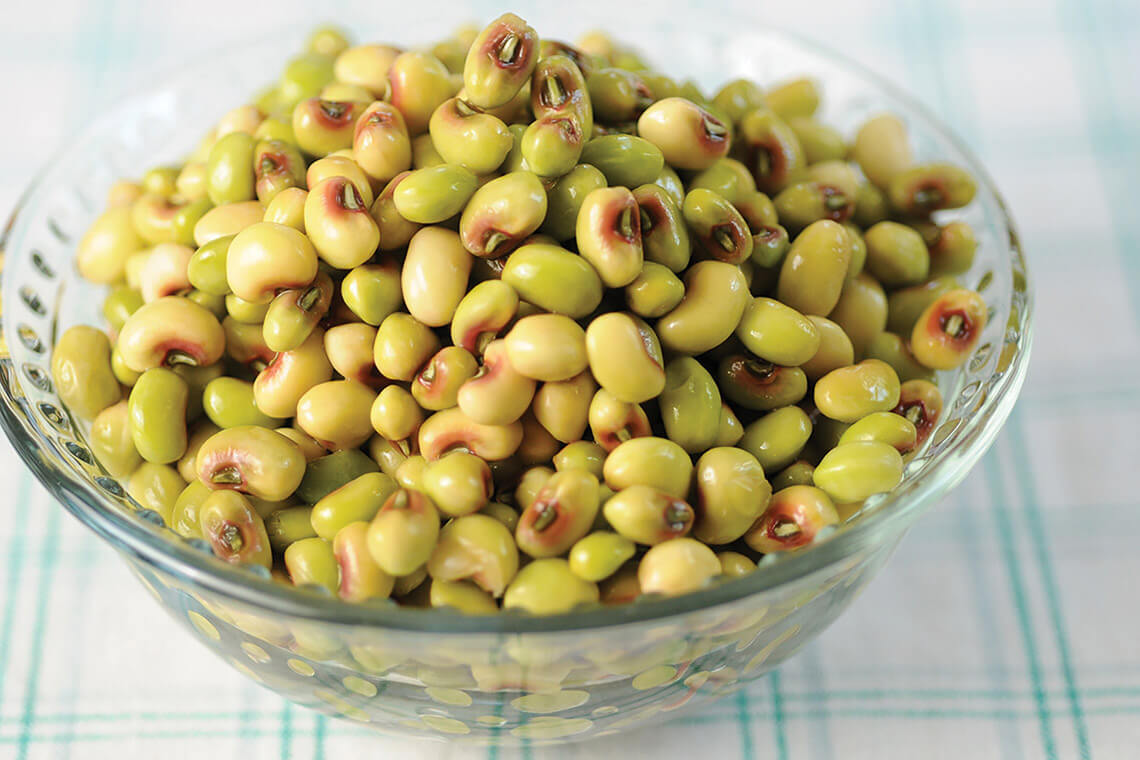
I was in my mid-20s before I tasted field peas. A boy I was seeing took me home to meet his folks. I, trying to impress his mama, offered to help get supper on the table. She sent me out to the deep freeze under their carport to get a “couple of bags of peas.” I stood in front of that open door for what felt like an hour, searching for the only peas I’d ever seen: the round, green garden variety. Even after she came out to see what’d become of me and instantly laid hands on what she’d sent me to fetch, I was baffled. What she called peas were oval, pinkish and pale, with dark eyes. Hello, Purple Hulls. A short time later, I was over that boy, but I’m still smitten with field peas.
photograph by © Paul Stephen – USA TODAY NETWORK via Imagn Images
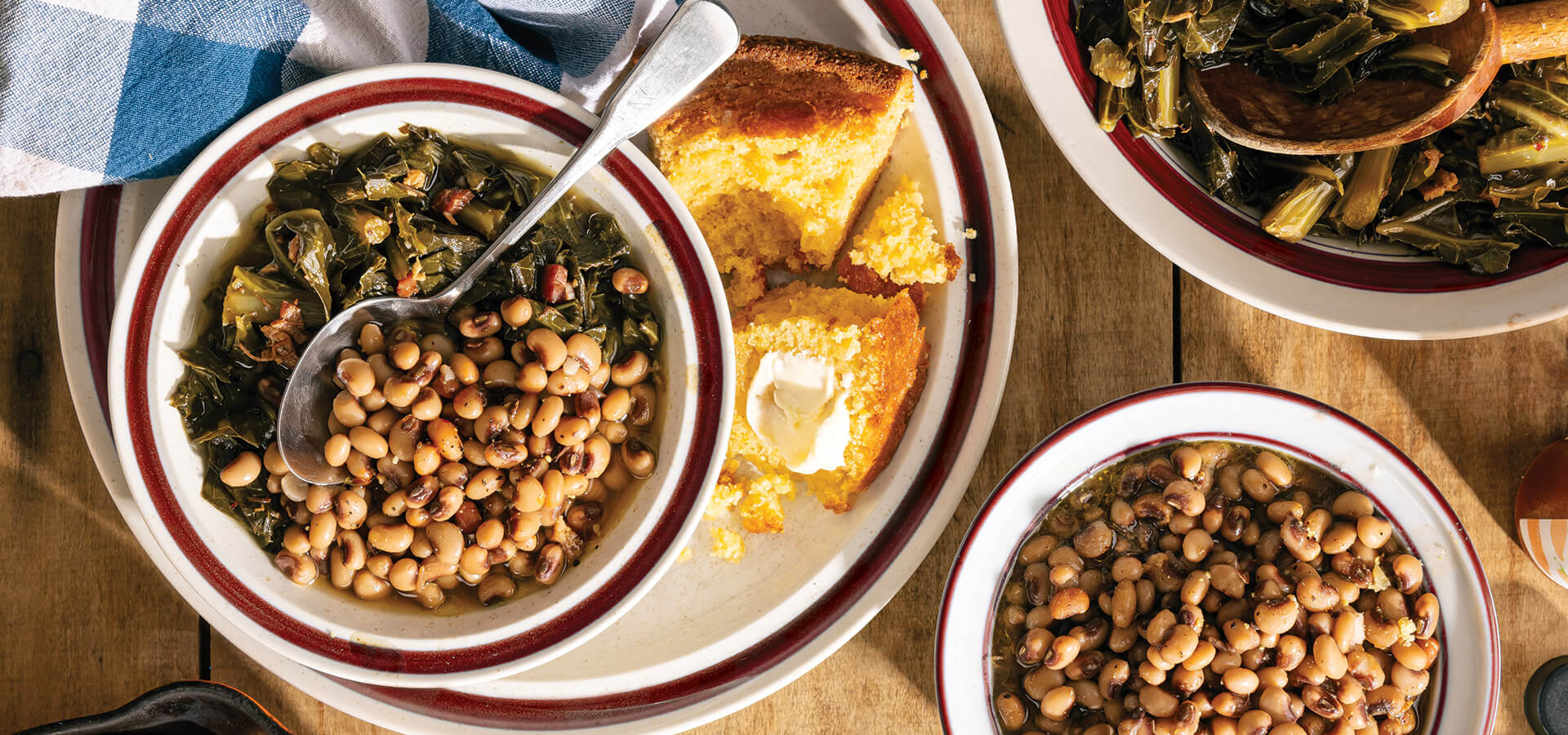
Also known as Southern peas and cowpeas, field peas can be striking. Some are smooth and round like marbles. Others have flattened profiles from overcrowding themselves in the pod. Some resemble tiny ears. Peas and their hulls come solid, speckled, striped, and variegated. It’s too bad that field peas’ vibrant hues fade when cooked, but they make up for it with their robust flavor. Thoughtfully seasoned peas create their own broth, what some of us call their potlikker or gravy, a nourishing bonus in each pot that begs for a side of cornbread.
Even among their most ardent of fans, not everyone has the temperament to shell field peas. The hulls are tough and resistant, some with a ropy string running down the spine that acts as a rip cord to release the peas. A mess of peas will quickly wear out the side of a thumb. Many growers turn to mechanical shellers that crank out peas like a Gatling gun, shooting them into a bucket and flinging spent shells out the back. I gladly pay a little extra for baggies of shelled peas. Come summer, most Southern farmers markets are brimming with them. I buy every variety I find, stocking my freezer, putting store by.
• • •
Field peas are the South’s most varied legume. Dozens of different varieties flourish across North Carolina. Communities, family farms, and farmers markets often lay claim to their favorites, those best suited to both local growing conditions and treasured family recipes.
Field peas are points of civic pride and have earned my favorite thing about them: their evocative, whimsical names. Pinkeye, Rucker, Big Red Ripper, Zipper, Stick Up, Old Timer, Turkey Craw, Purple Hull, Hercules, Black Crowder, Wash Day, Whippoorwill, Rattlesnake, Iron Clay, Conch, Polecat, and countless others. Sometimes a particular variety can go by different monikers depending on its hometown and what it’s called there, like a childhood nickname that follows a person all their days.
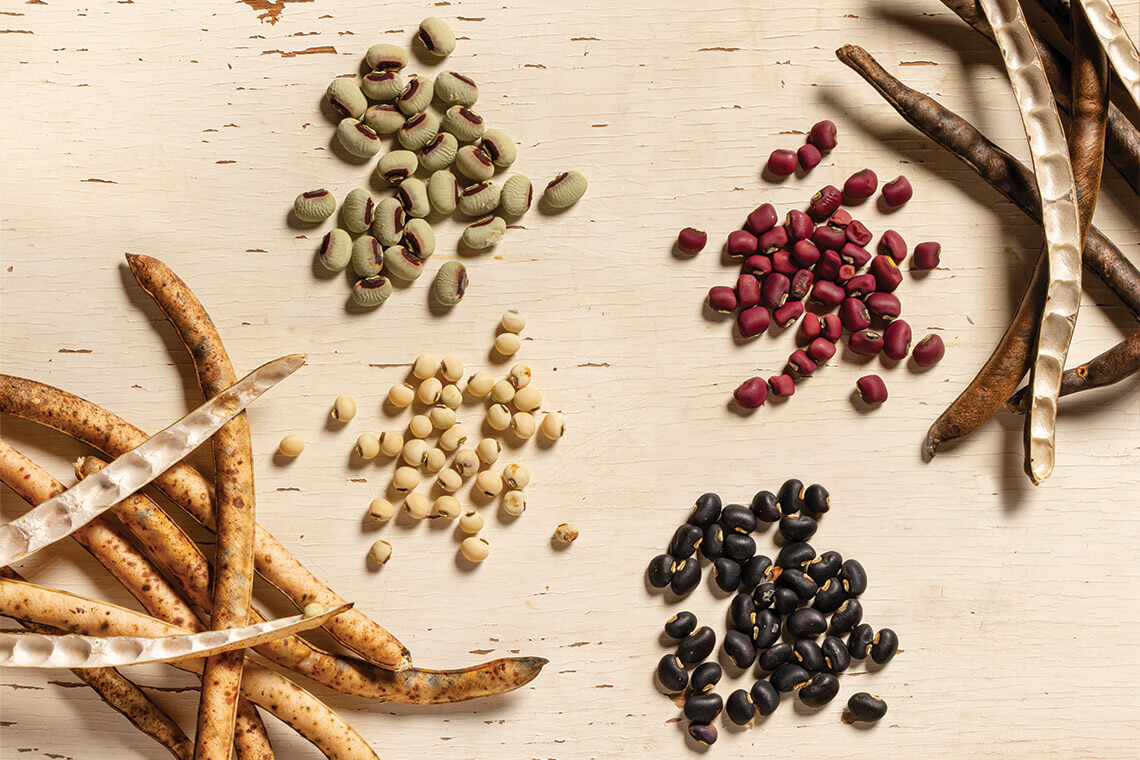
There are dozens of varieties of field peas. These four (clockwise from top: Texas Emerald, Magenta, Black Crowder, Conch) were grown by the Utopian Seed Project, a nonprofit in Leicester that promotes crop diversity and has cultivated more than 50 varieties of field peas. photograph by Tim Robison
On a shimmering hot afternoon a few years back, a dear farmer friend introduced me to a pea known locally as Hog Brains. This pea earned its moniker because the fellow who first grew them claimed they were so tasty that his hog had the brains to figure out how to repeatedly escape its pen each night to feast on them.
Some of us seek and savor field peas year-round, while others eat them only as part of the New Year’s Day ritual meal that we hope will conjure luck and prosperity. We North Carolinians live in a land of copious and storied field peas, which makes us plenty lucky indeed.
Pickin’ Peas
You should get 3 cups (1 pound) of shelled peas from 3 pounds of pods. If you enjoy shelling peas and have a sturdy thumb, have at it. Most people are more than happy to pay a little extra to buy shelled peas.
photograph by Tim Robison
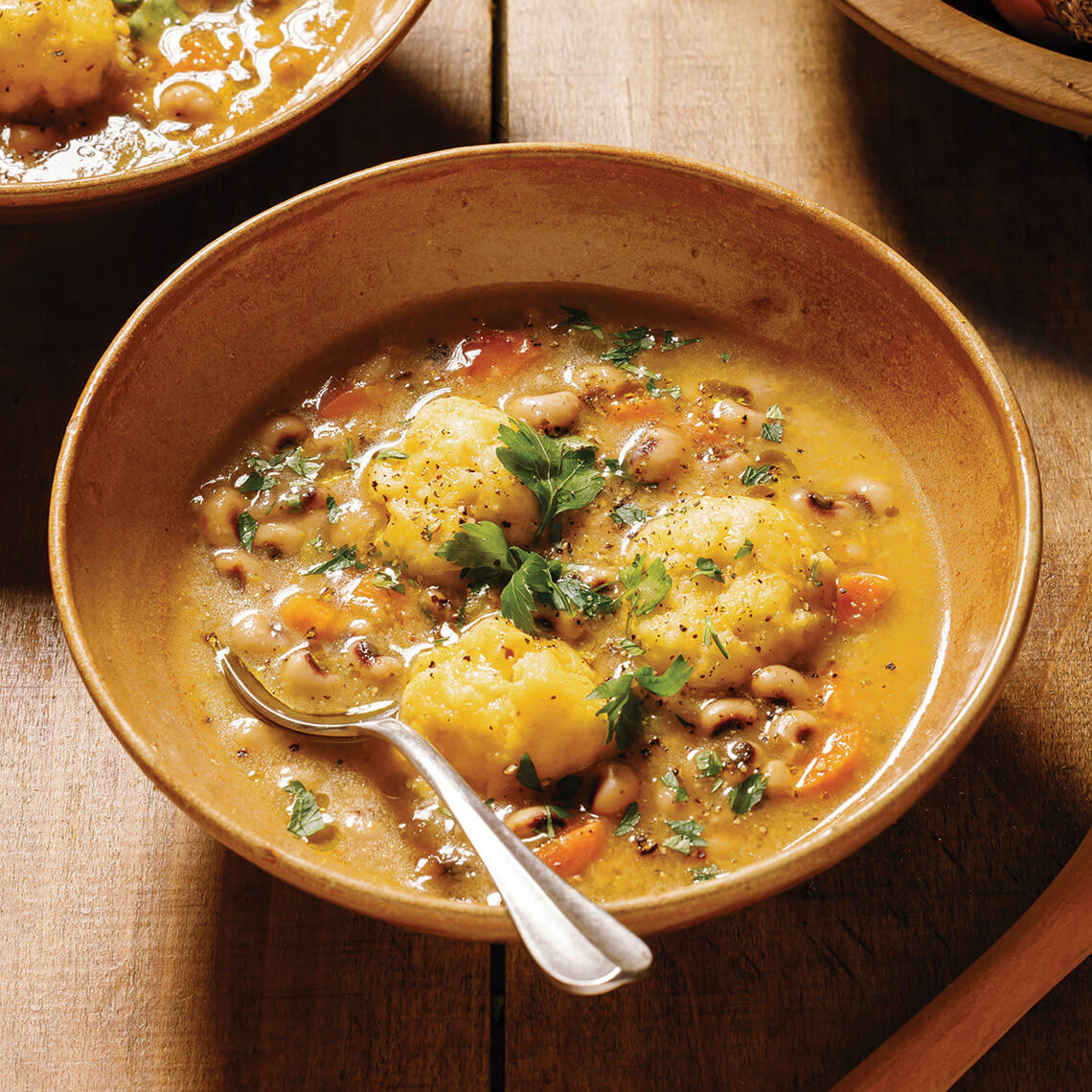
Field Pea Soup With Cornmeal Dumplings
I first encountered cornmeal dumplings in a pot of peas in eastern North Carolina and was instantly drawn to this way of serving the classic pairing of field peas and cornbread. I’ve taken that idea, added a few more vegetables to the mix, and lightened the dumplings, which thicken the flavorful broth as they cook. These tender, biscuit-like dumplings float like clouds atop the savory soup.
You can use any variety of field peas you like in this recipe, but fresh or frozen work better than dried. Field peas have a wide range of cooking times, depending on their size and freshness. To get an idea of what to expect, taste a raw pea. If it’s small, tender, and juicy, it will cook more quickly than a larger, denser, earthier pea with a bite that fights back.
Yield: 4 to 6 servings.
For the soup:
3 cups (1 pound) field peas, freshly shelled or thawed from frozen
3 tablespoons bacon fat or olive oil
1 medium onion, chopped (about 2 cups)
1 large carrot, chopped (about ½ cup)
1 celery rib, chopped (about ½ cup)
2 cloves garlic, chopped
2 tablespoons tomato paste
4 cups chicken or golden vegetable stock
2 teaspoons kosher salt
Water, as needed
1 large or 2 small bay leaves
4 thyme sprigs
1 wide strip fresh lemon peel
Parsley, chopped (for garnish)
For the dumplings:
¾ cup all-purpose flour
½ cup fine cornmeal
½ teaspoon baking soda
½ teaspoon baking powder
½ teaspoon sugar
½ teaspoon kosher salt
½ teaspoon ground black pepper
2 tablespoons salted butter, cut into small bits and chilled
2 tablespoons shortening
½ cup finely chopped green onions, white and tender green parts
½ cup whole buttermilk, well-shaken
For the soup: If using fresh peas, rinse them several times to remove any bits of hull and stickiness. Drain well and set aside. (Thawed peas do not need to be rinsed, as long as they were washed well before they were frozen.)
In a large soup pot over medium-high heat, warm the bacon fat or oil. Stir in onion, carrot, celery, and garlic. Cook for 3 minutes, stirring often. Add tomato paste, stir to coat vegetables, and cook for 1 minute. Add chicken stock and stir well. Add peas and salt. Peas should be submerged to a depth of 1 inch, so add water as needed. Drop in bay leaf, thyme, and lemon peel.
Bring to a boil, then reduce heat so that the liquid simmers gently. Cover the pot, and cook until peas are tender, 15 to 45 minutes, depending on their size and freshness. Stir occasionally.
Taste peas for salt. If they need more seasoning, remove the pan from the heat, add another large pinch of salt, and let stand for 15 minutes to allow peas to absorb the seasoning.
Discard bay leaf, thyme stems, and lemon peel. Keep peas warm over very low heat while preparing the dumpling dough.
For the dumplings: In a medium bowl, whisk together flour, cornmeal, baking soda, baking powder, sugar, salt, and pepper. Work in butter and shortening until mixture is crumbly. Stir in scallions. Stir in buttermilk to make a soft but not sticky dough that holds its shape on a spoon.
Bring peas to a low boil. Drop heaping tablespoons of dough over the surface of the peas, spacing them evenly. (An ounce scoop is ideal for this.) Cover and cook without lifting the lid until dumplings are set, about 10 minutes. Remove pot from heat, uncover, and let stand for 5 minutes before serving warm. Garnish with parsley.
print it